
Embark on a guided journey through the World Expo:
Experience groundbreaking innovations and captivating exhibitions from around the globe.
The official goals of EXPO 2025 are:
Shigeru Ban is a Japanese architect who graduated from Cooper Union in 1984. As a child, he demonstrated a strong interest in architectural poetics, which influenced all of his later works. He has designed a number of iconic buildings, including the Cardboard Cathedral in Christchurch, New Zealand, and the Aspen Art Museum in the U.S. He is well known for his work in paper and cardboard architecture and also assists many humanitarian relief efforts across the globe.
In 2022, the Voluntary Architects’ Network (VAN) and Shigeru Ban Architects provided the Paper Partition System (PPS) for shelters for the increasing number of refugees staying in neighboring countries of Ukraine. This system has been used in numerous evacuation centers in Japanese regions hit by disasters, such as the Great East Japan Earthquake (2011), the Kumamoto Earthquake (2016), the Hokkaido Earthquake (2018), and the torrential rains in southern Kyushu (2020).
In 2014, he received the Pritzker Architecture Prize for his work. The Blue Ocean Dome Pavilion at Expo 2025 Osaka was designed by Shigeru Ban, with one of the three domes constructed entirely from laminated bamboo, another being the world’s first architectural dome made entirely from carbon fiber reinforced plastic, and the third from recyclable paper tubes.
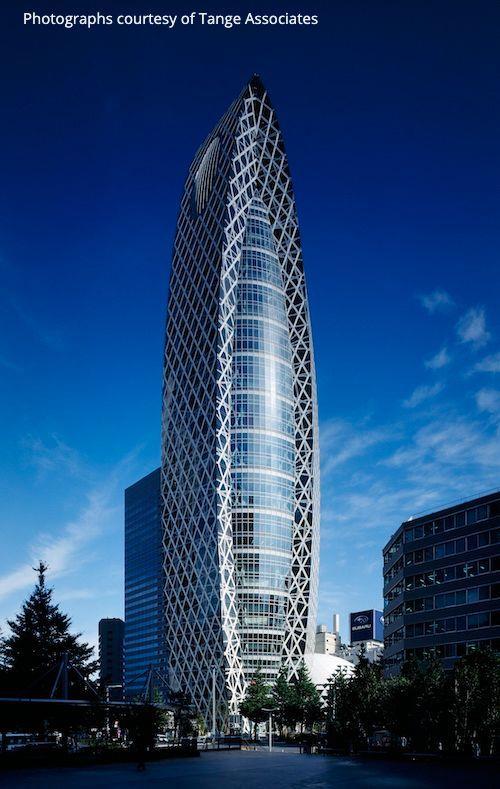
Award-winning architect Paul Noritaka Tange graduated from the Harvard University Graduate School of Design in 1985. As the son of Kenzo Tange—one of the most world-renowned architects of the 20th century—Paul was exposed to architecture and design from a very young age. He developed his father’s passion for architecture and joined Kenzo Tange Associates, his father’s firm, where he later became president in 1997.
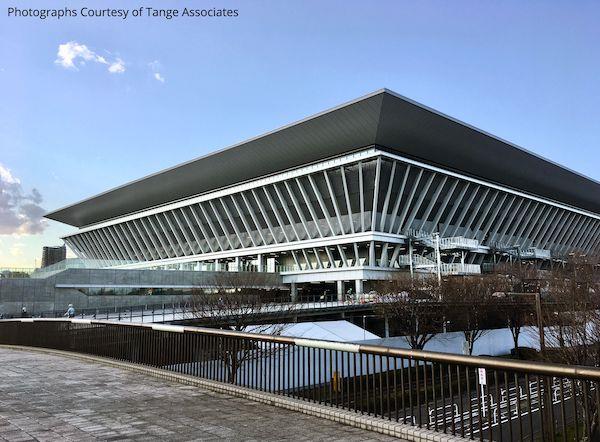
He has since founded his own architectural firm, Tange Associates, and risen to international prominence, designing buildings across Asia and the United States, including the Tokyo Aquatics Center for the Tokyo 2020 Olympics.
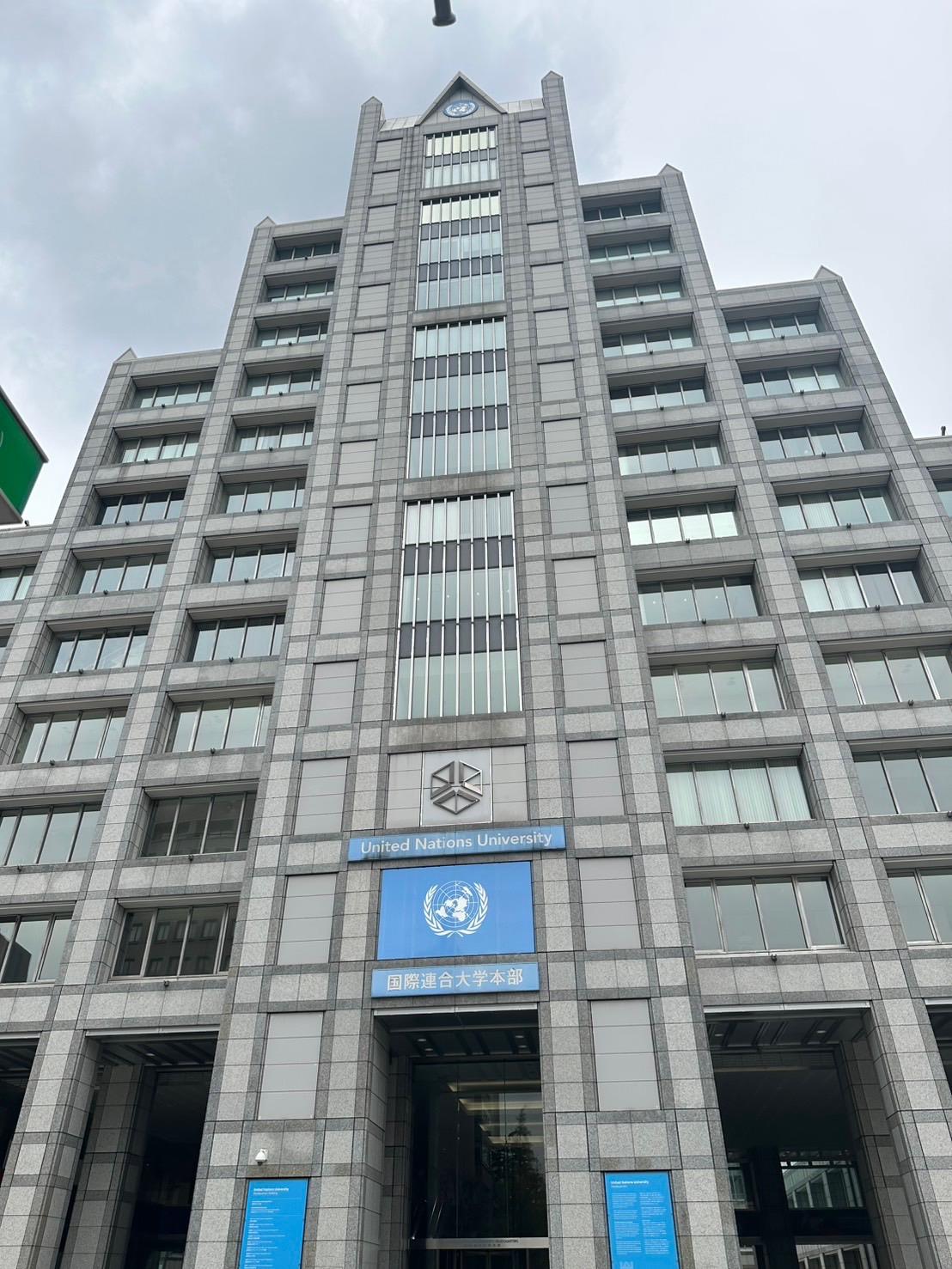
His father, Kenzo Tange, designed many of Tokyo’s most iconic buildings, including Tocho (the Tokyo Metropolitan Government Building) and the United Nations University building.
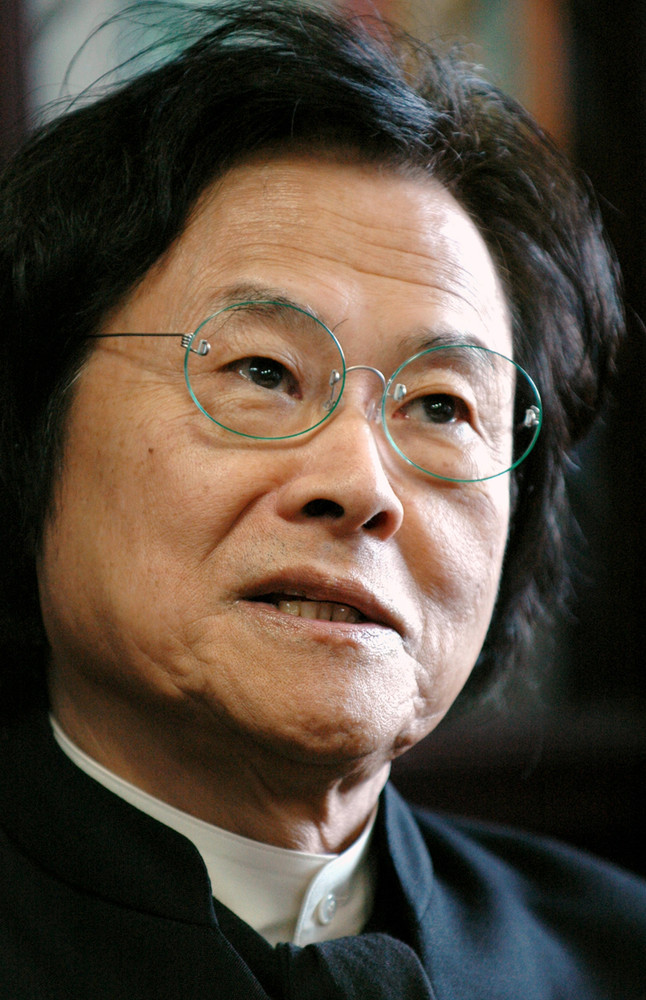
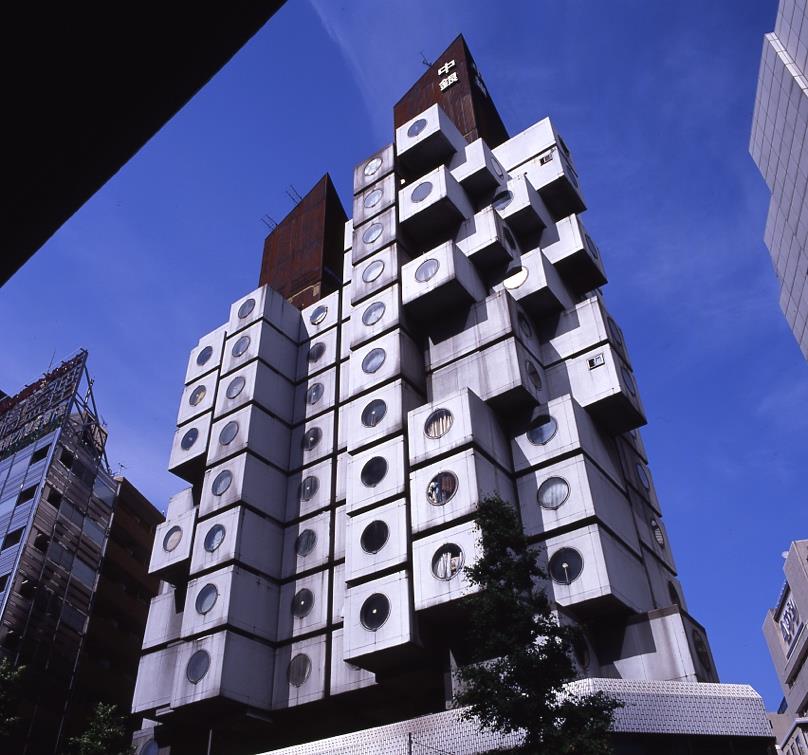
Dr. Kisho Kurokawa (1934–2007) was a globally acclaimed architect, humanitarian, and environmentalist. The Japanese architect, who was a student of Kenzo Tange, led the “Metabolism Movement” and made his world debut in 1960. At age 26, he advocated a shift from the “machine principle” to the “life principle” in his literary work and architectural designs, focusing on themes such as ecology, recycling, and intermediate space. His theory of “Symbiosis” became globally renowned through his book, Each One A Hero: The Philosophy of Symbiosis.
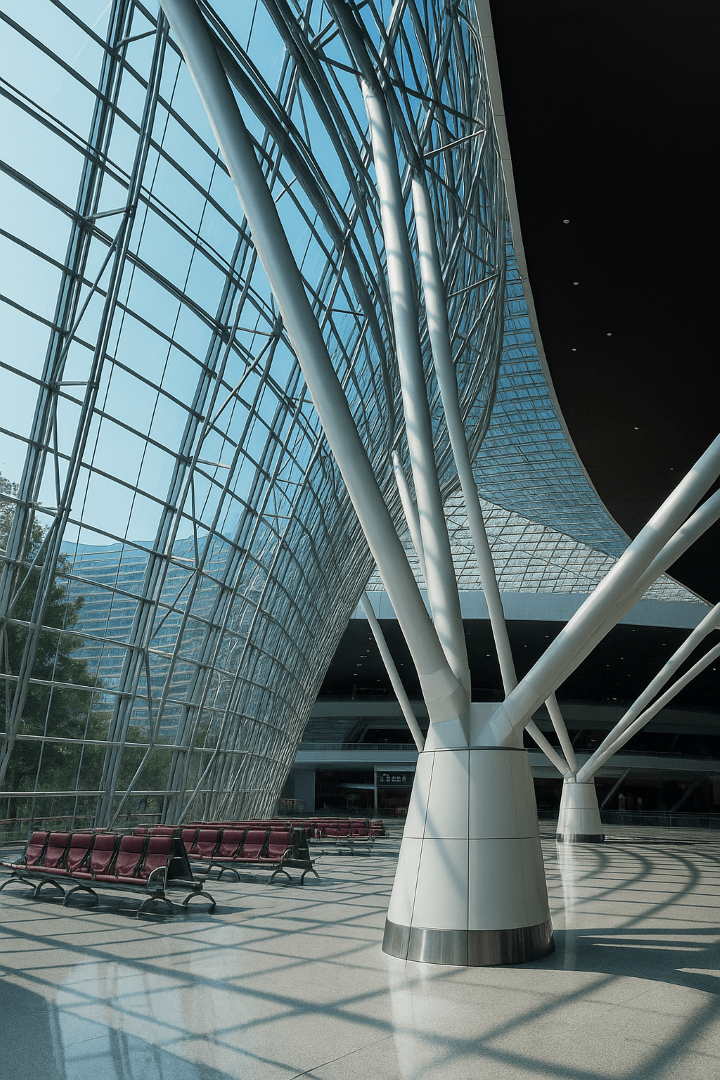
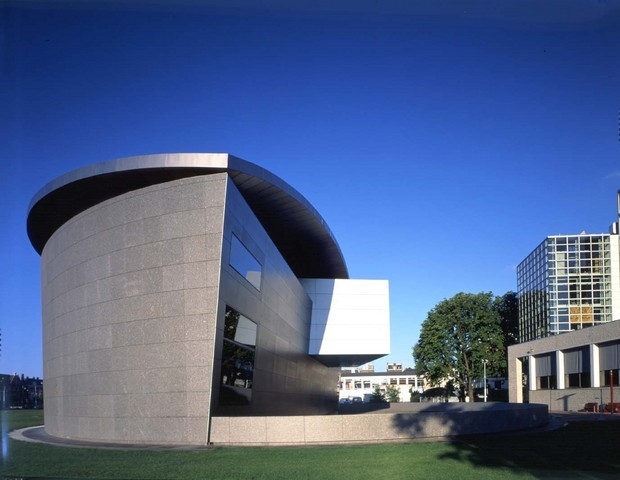
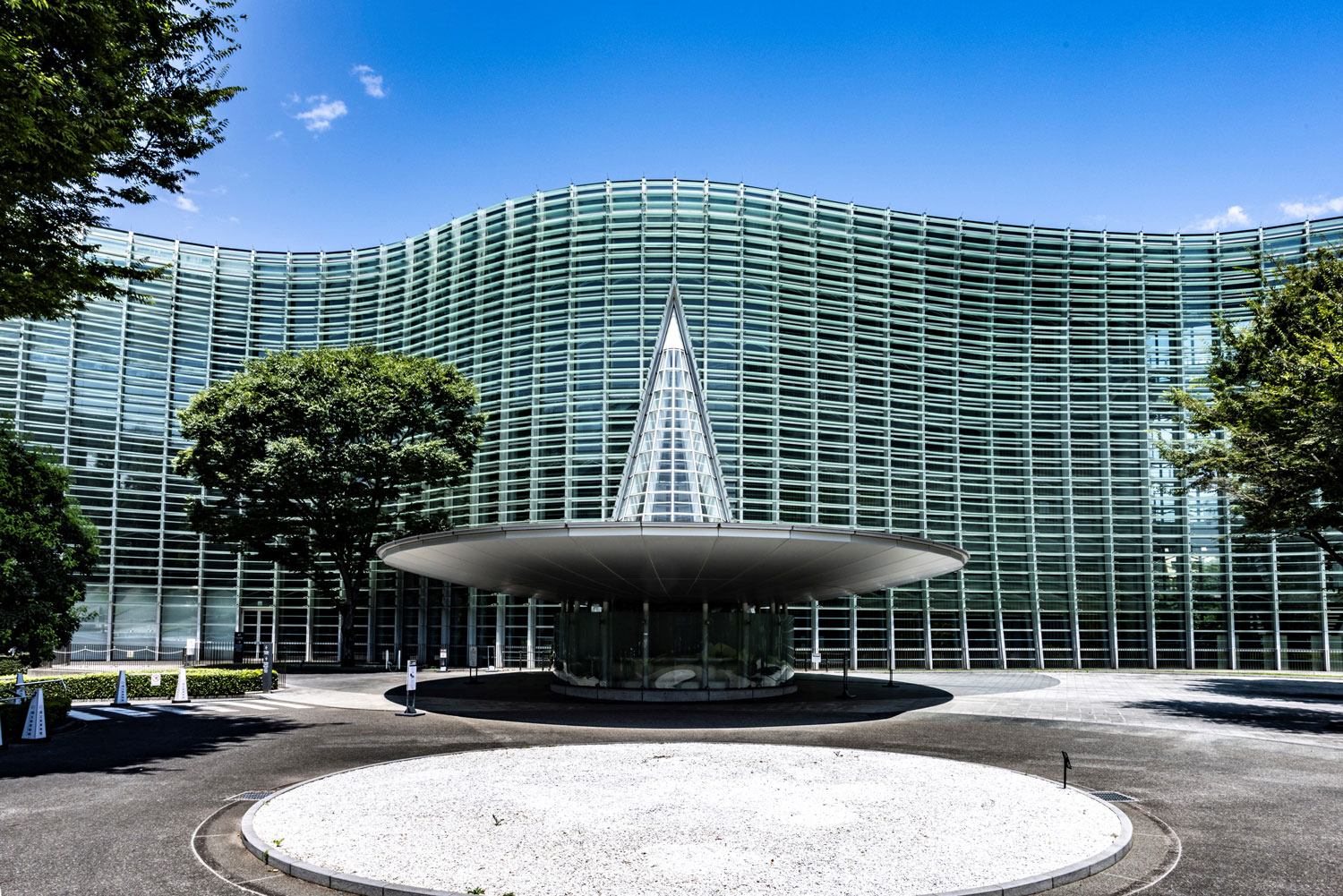
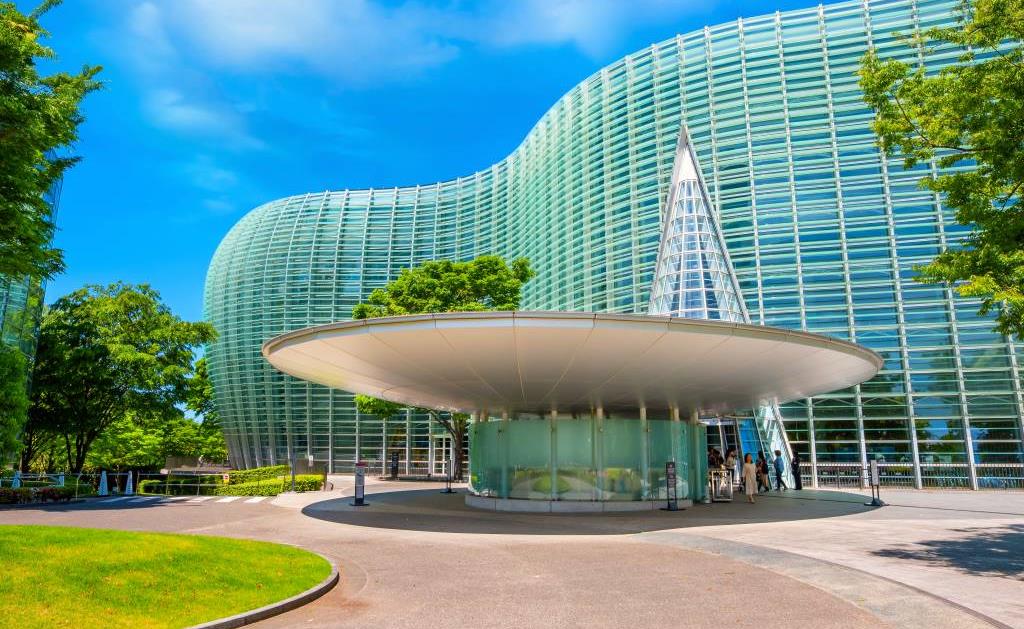
He designed three pavilions at Osaka’s futuristic World Expo 1970: the Capsule House Theme Pavilion, the Takara Beautilion Pavilion, and the Toshiba-IHI Pavilion. His major works can be found throughout the world, including the Kuala Lumpur International Airport in Malaysia, the National Art Center in Tokyo’s posh Roppongi district, the new wing of the Van Gogh Museum in Amsterdam, Toyota Stadium built for the 2002 World Cup, the Astana Master Plan for the New Capital of Kazakhstan, and the Eco-Media City Project Plan for Zhengzhou City, China.
In addition to his work in architecture, Dr. Kurokawa sat on numerous governmental advisory boards in Japan, China, and Kazakhstan.