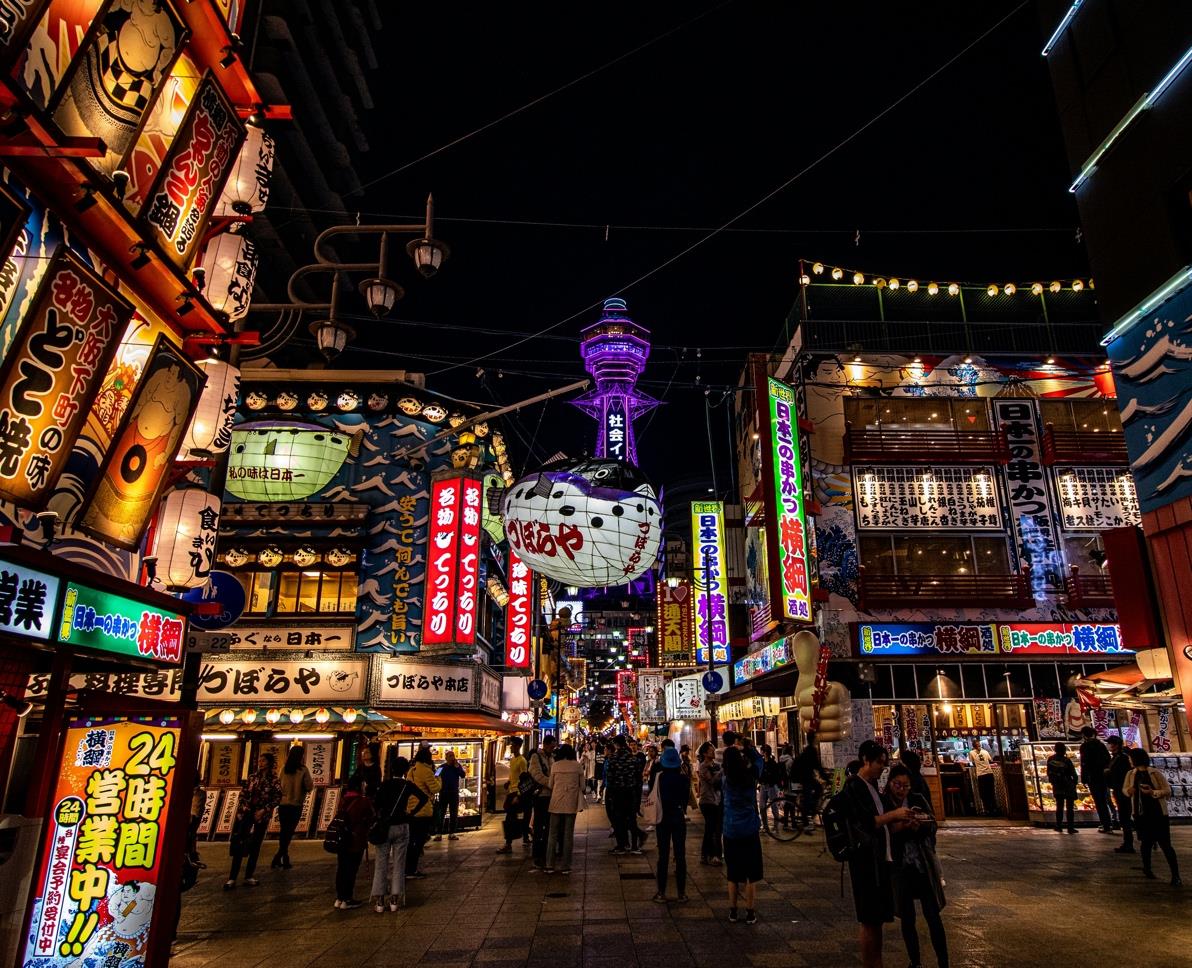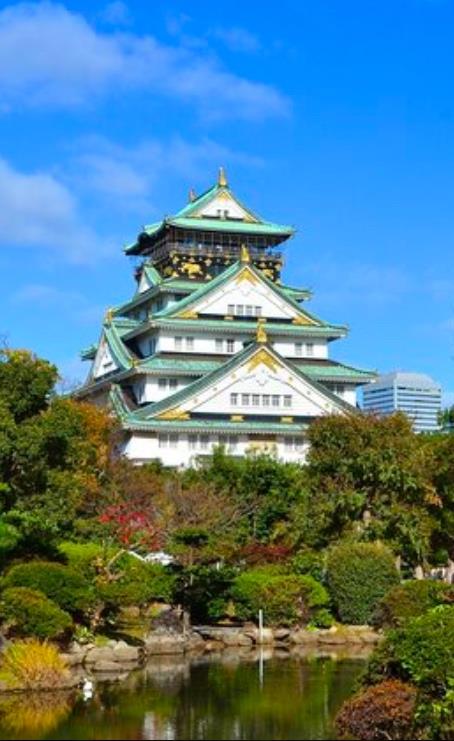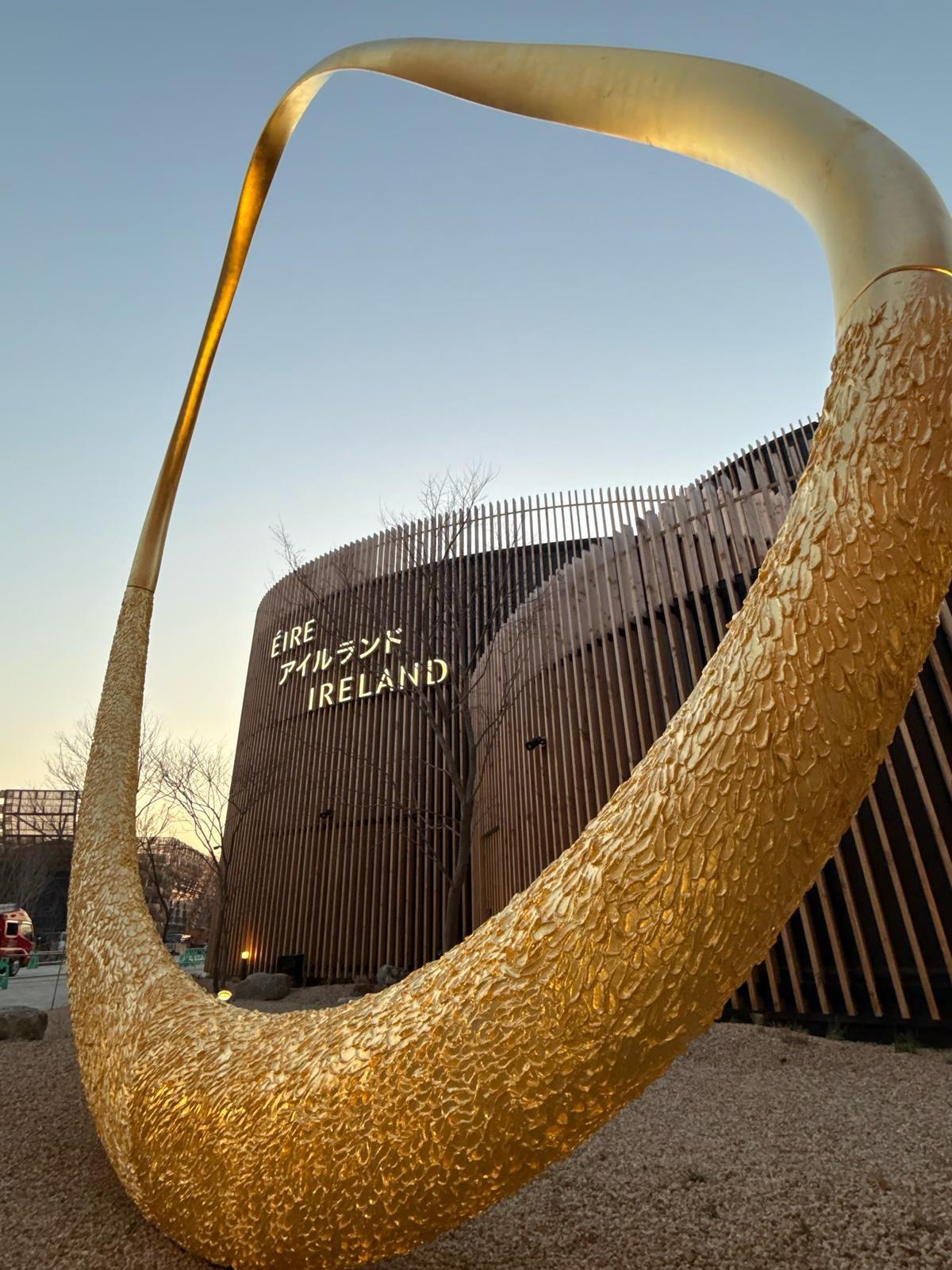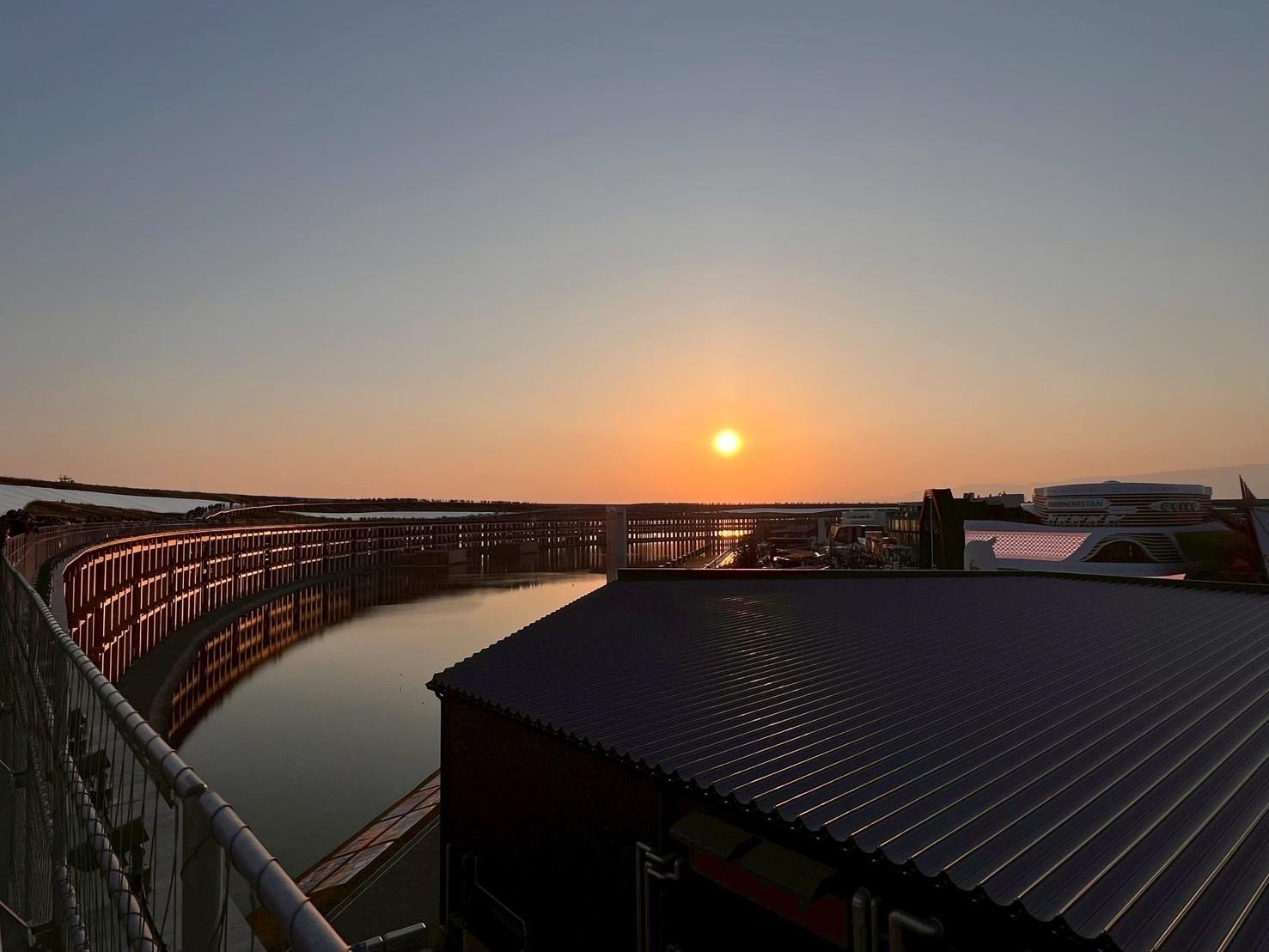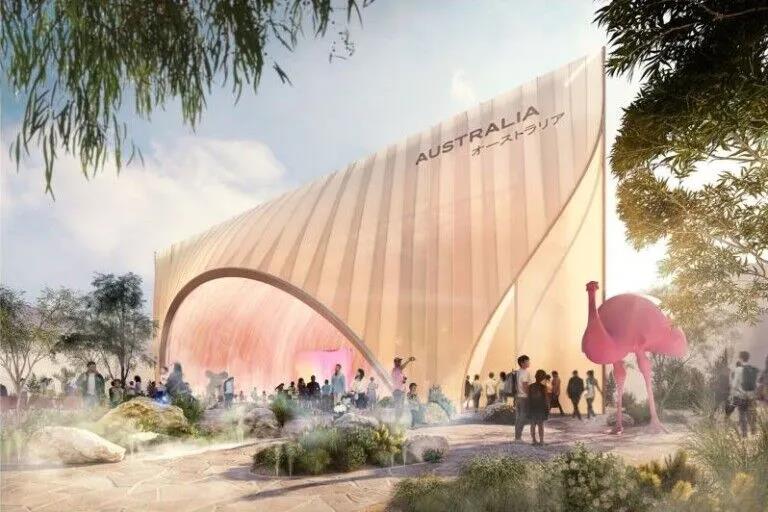
Depart from U.S. to Osaka (Kansai International Airport (KIX) or Osaka Itami Airport (ITM))

A Multi-City Subnational Diplomacy Conference for leaders and innovators from the U.S. and Japan — spanning government, business, and design

The Japan–United States Sister City Association (JUSSCA), in collaboration with California Sister Cities, the Prefectural Government of Yamanashi and the United Nations University (UNU), proudly announces the 2025 Japan–United States Leadership Summit.
This historic event, themed AI & Smart Cities for a SustAInable World, will bring together a delegation of distinguished leaders and innovators from the U.S. and Japan — spanning government, business, and design — from October 4-11, 2025.
The summit spans three key locations in Japan—Osaka, Yamanashi, and Tokyo:
Summit + World Expo (Oct. 4–11):
AI & Smart Cities for a SustAInable World
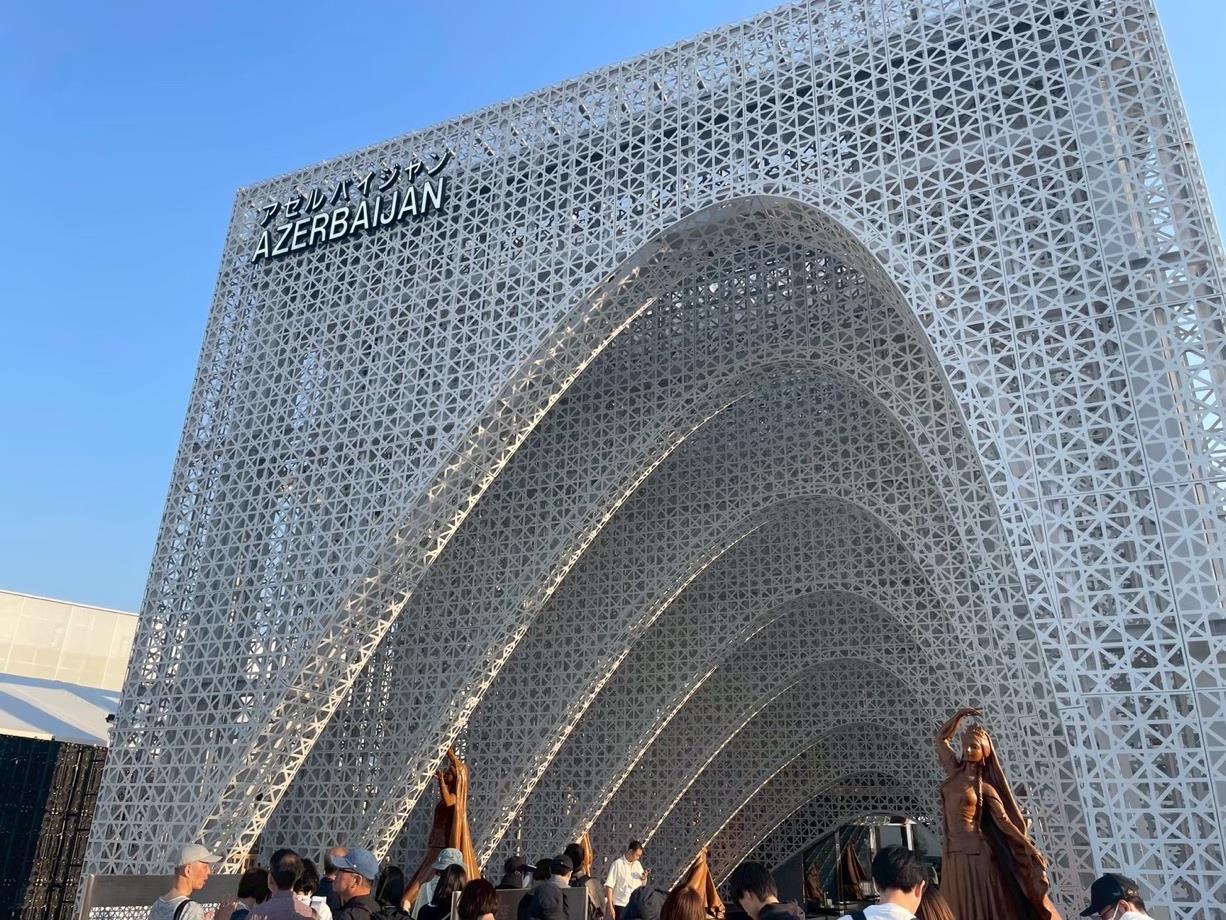
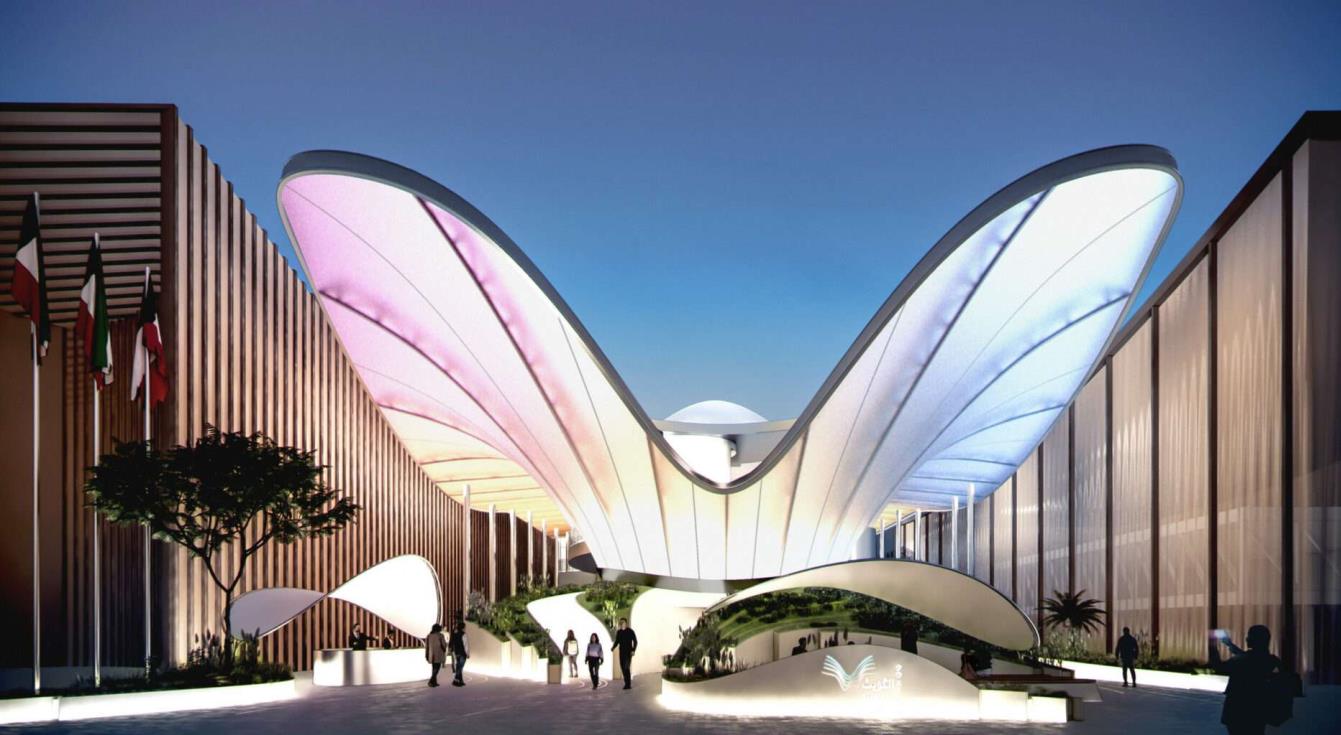
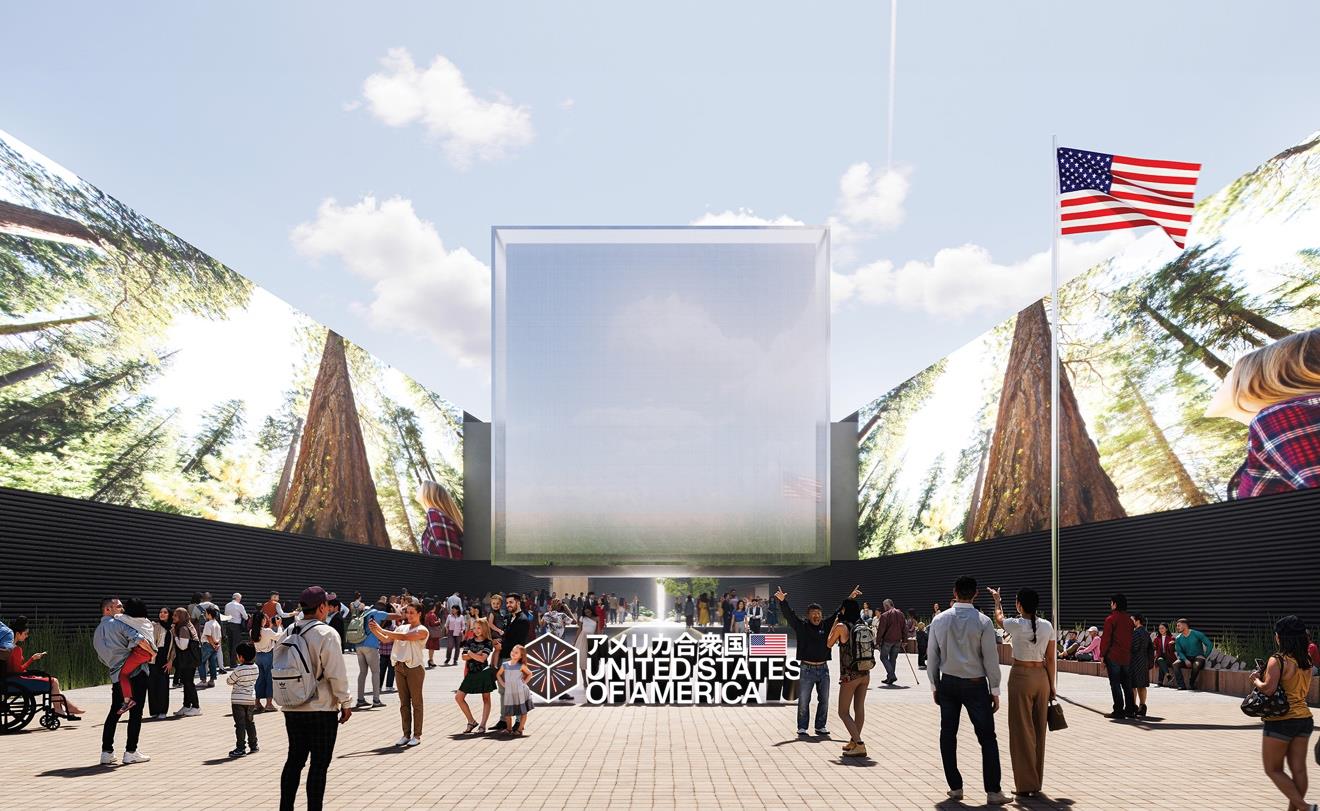
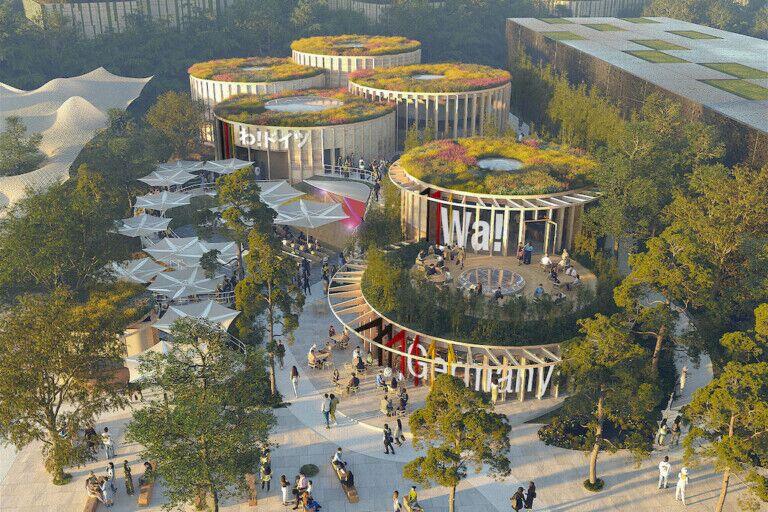
Leaders will attend Expo 2025 Osaka, exploring cutting-edge innovations, global exhibitions, and solutions, focused on clean energy, sustainable urban development, and AI-driven advancements.
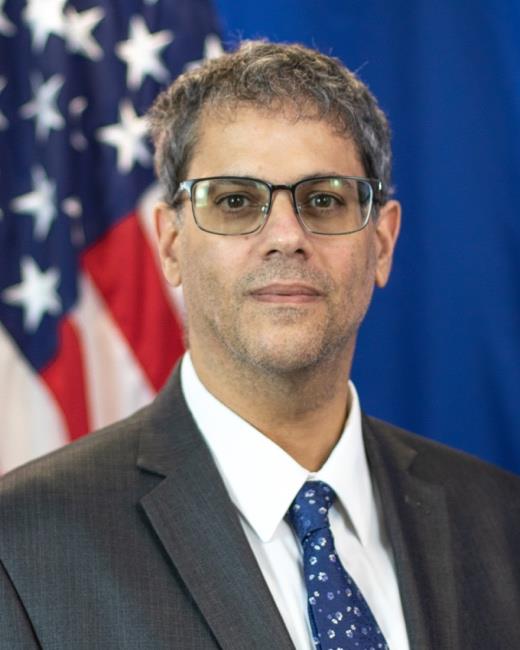
Evening party at the residence of U.S. Consul General Jason Cubas
The Fuji-U.S. Leaders Summit at Fuji Five Lakes will feature panel discussions on urban sustainability, led by distinguished leaders and innovators from the U.S. and Japan — spanning government, business, and design.
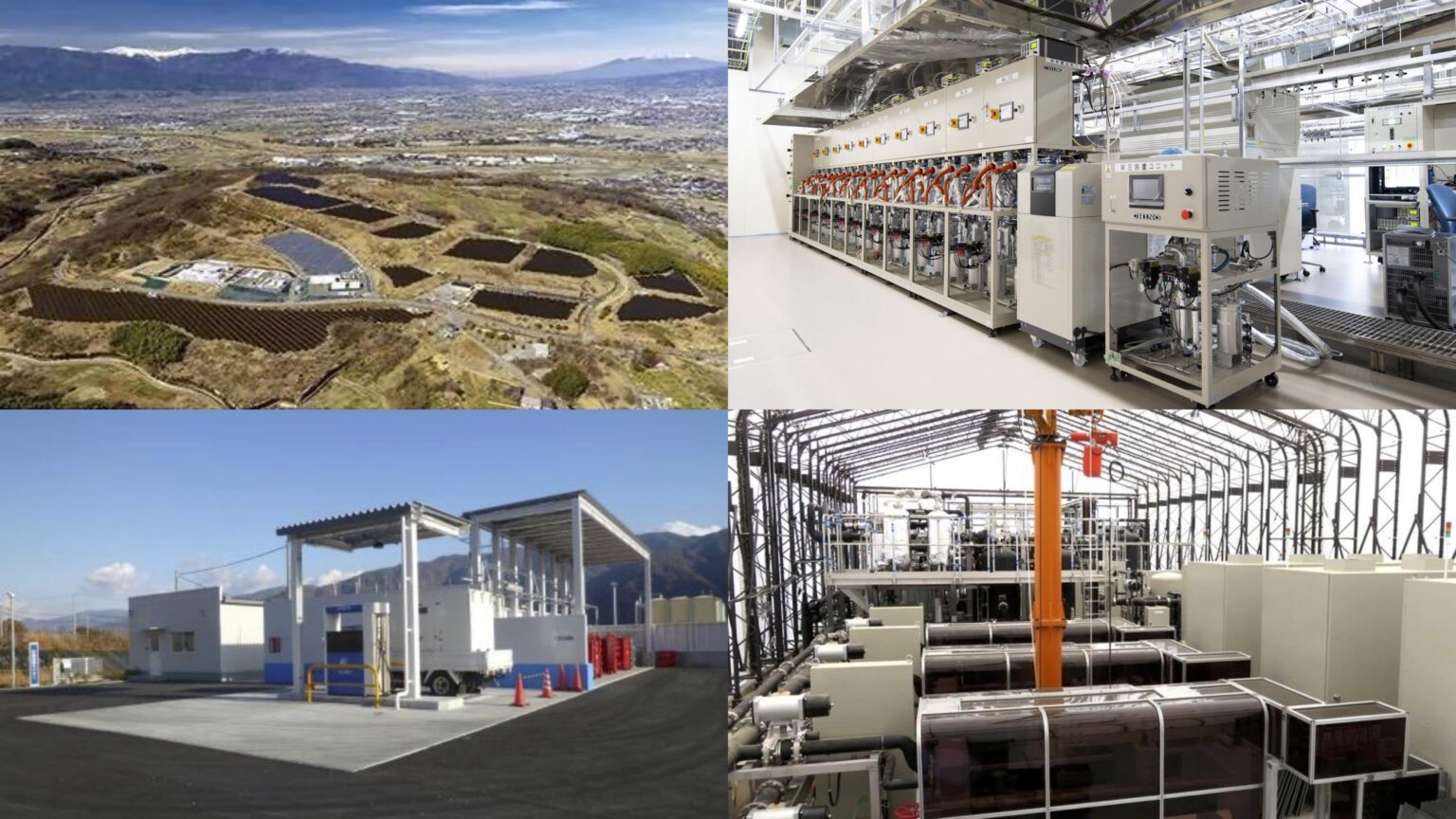
Learn about Japan’s clean initiatives through Yamanashi’s Green Hydrogen Plant Presentation.
The Oct. 9 and 10 Japan-United States Leadership Summit 2025 at United Nations University will bring together distinguished leaders and innovators from U.S. and Japan — spanning government, business, and design to make presentations & exchange ideas on artificial intelligence and urban innovation.
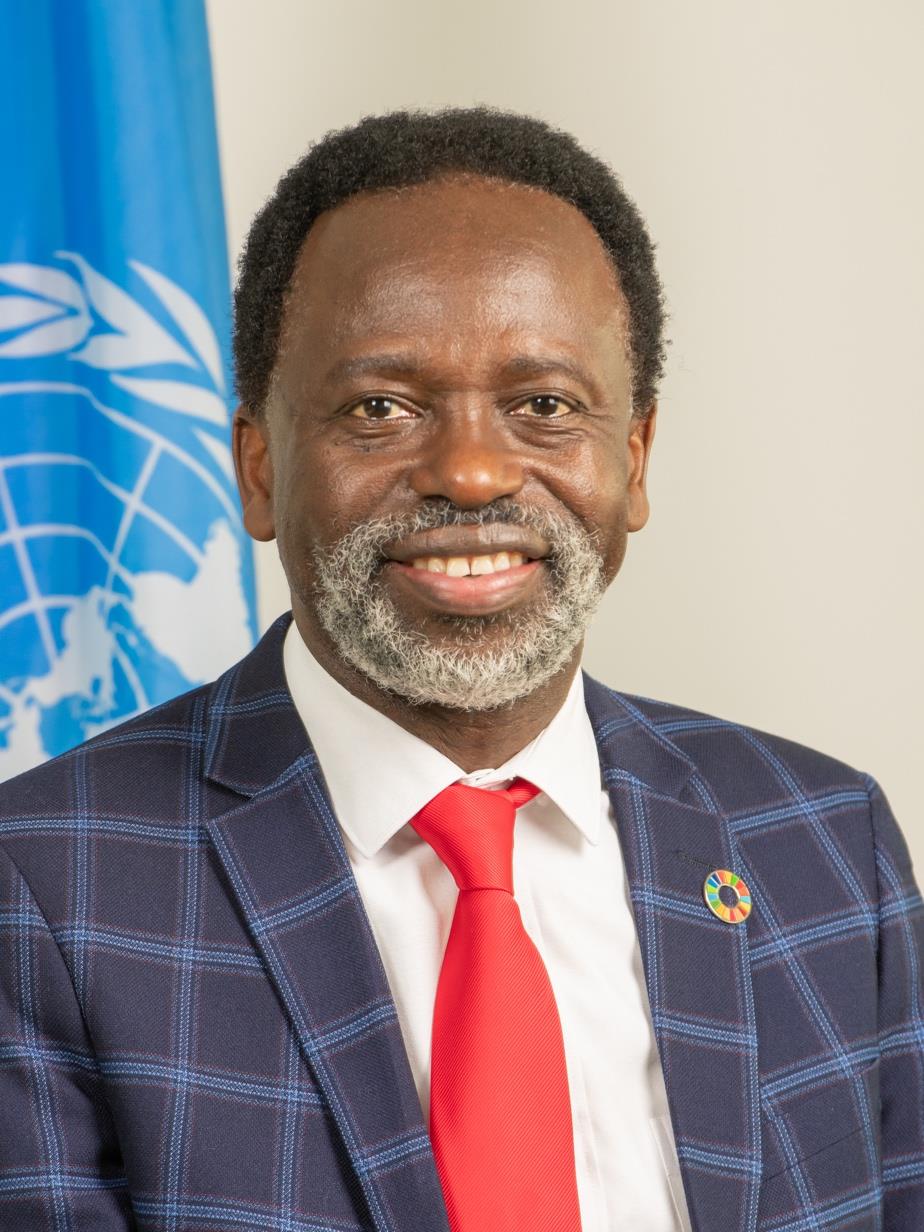
Keynote Presentations by United Nations University Rector Dr. Tshilidzi Marwala (10/10) and world-acclaimed architects Shigeru Ban (10/9) & Paul Tange (10/10).




Depart U.S. for Osaka on Saturday, Oct. 4, arriving on Sunday, Oct. 5.
Depart Tokyo on Saturday, Oct. 11, arriving in U.S. on the same day, Saturday, Oct. 11.
Depart U.S. for Osaka (Kansai International Airport (KIX) or Osaka Itami Airport (ITM)) either by a direct flight or with a stopover in Tokyo (Tokyo International Airport (HND) or Narita International Airport (NRT))
Participants arrive in Osaka (Kansai International Airport (KIX) or Osaka Itami Airport (ITM))
Check into hotel
Free night
9:00 am Depart Candeo Hotels Osaka The Tower to Expo 2025 Osaka
9:30 am Welcome from Osaka dignitaries
10:00 am Expo 2025 Osaka guided tour
4:30 pm Depart Expo 2025 Osaka to Candeo Hotels Osaka The Tower
5:30 pm Depart Candeo Hotels Osaka The Tower for the Residence of U.S. Consul General Jason R. Cubas
5:45 pm Check-in at U.S. Consul General’s Residence
6:00 pm Evening Party at the U.S. Consul General’s Residence hosted by U.S. Consul General Jason R. Cubas
8:00 pm Return to hotel
9:00 am Depart Candeo Hotels Osaka The Tower to Shin Osaka Station
9:48 am Depart Shin Osaka Station by bullet train for Shizuoka Station
11:37 am Arrive at Shizuoka Station
12:00 pm Depart Shizuoka Station for Yamanashi tour
2:00 pm Luncheon, ceremony, event and dinner at Kawaguchiko Music Forest Museum with Shizuoka Governor Yasutomo Suzuki and Yamanashi Governor Kotaro Nagasaki
7:30 pm Depart for Highland Resort Hotel & Spa
7:50 pm Check-in to Highland Resort Hotel & Spa
Fuji -U.S. Leaders Summit hosted by Yamanashi Governor Kotaro Nagasaki & Fuji- Five Lakes Green Metropolis Forum Chair Dr. Hiroshi Tasaka
10:00 am Welcome to Yamanashi Prefecture
10:10 am California Introductions
10:30 am Fuji- Five Lakes Green Metropolis Forum Chair Dr. Hiroshi Tasaka: Fuji Gateway Consortium
10:50 am Fuji Hydrogen Valley & Medical Corridor
11:30 am Banquet Lunch
1:00 pm Fuji-California Young Artists Ambassador Ceremony
3:00 pm Break
5:00 pm Reception
8:30 am Depart Highland Resort Hotel & Spa Tokyo
10:30 am Tokyo Snapshot City Tour
1:45 pm Arrive at United Nations University
2:00 pm Opening Remarks from Office of UNU Rector Project Manager Nicolas Dubois, JUSSCA Chairman Shin Koyamada &
JUSSCA President Anthony Al-Jamie
Japan-US Leadership Summit Keynote Speaker World-Acclaimed Architect Shigeru Ban
"“Balancing Architectural Works and Social Contributions”
3:00 pm Delegation presentations
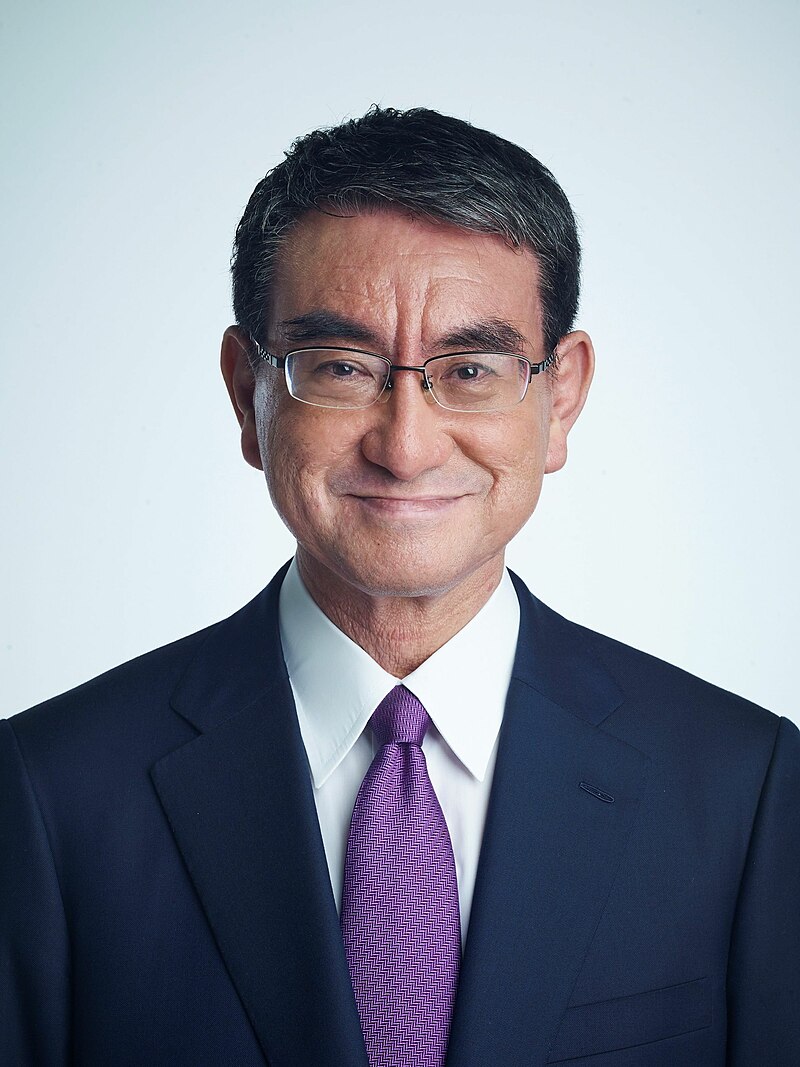
5:00 pm Former Japan Minister for Foreign Affairs & Minister of Digital Transformation Taro Kono
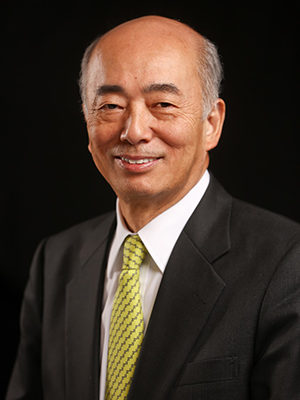
6:00 pm Tokyo welcome reception with Ambassador Kenichiro Sasae, JUSSCA Chairman & President, Japanese dignitaries & special guests
8:00 pm Depart United Nations University to Hotel New Otani Tokyo.
8:30 pm Check-in to Hotel New Otani Tokyo.
9:00 am Depart Hotel New Otani Tokyo for Tokyo Snapshot City Tour
10:20 am Arrive at United Nations University
10:30 am Japan-US Leadership Summit at United Nations University Welcome from UNU Rector Dr Tshilidzi Marwala, JUSSCA Chairman Shin Koyamada and JUSSCA President Anthony Al-Jamie
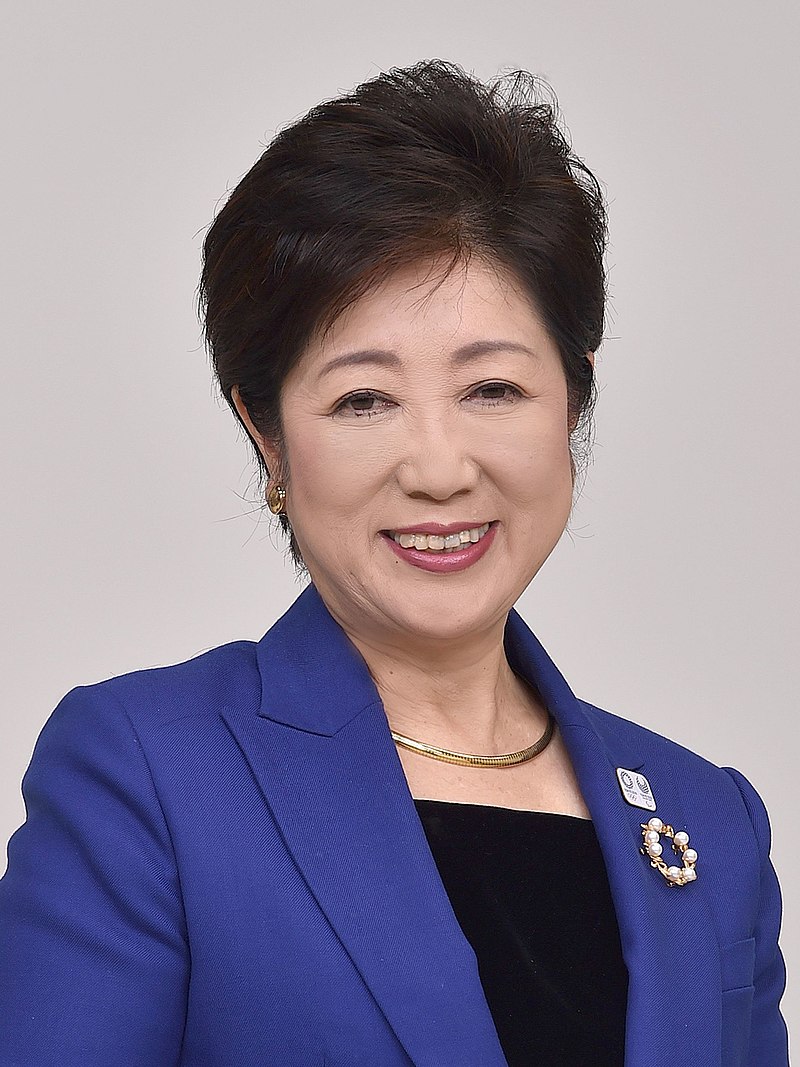
10:50 AM Tokyo Governor Yuriko Koike
11:15 AM Keynote Speaker: World-renowned architect Paul Tange "Crafting the City"
12:15 pm Tribute to Sustainable Architect: Kisho Kurokawa
12:30 PM Lunch
2:00 pm Opening Plenary: UNU Rector Dr. Tshilidzi Marwala (Tentative Topic: The Role of AI in Sustainable Cities)
2:45 pm US-Japan Leadership Program Representative
3:00 pm County & city initiatives
4:30 pm TBA
5:00 pm Sayonara reception at United Nations University with JUSSCA Chairman & President and special dignitaries
7:00 pm Conference closing remarks
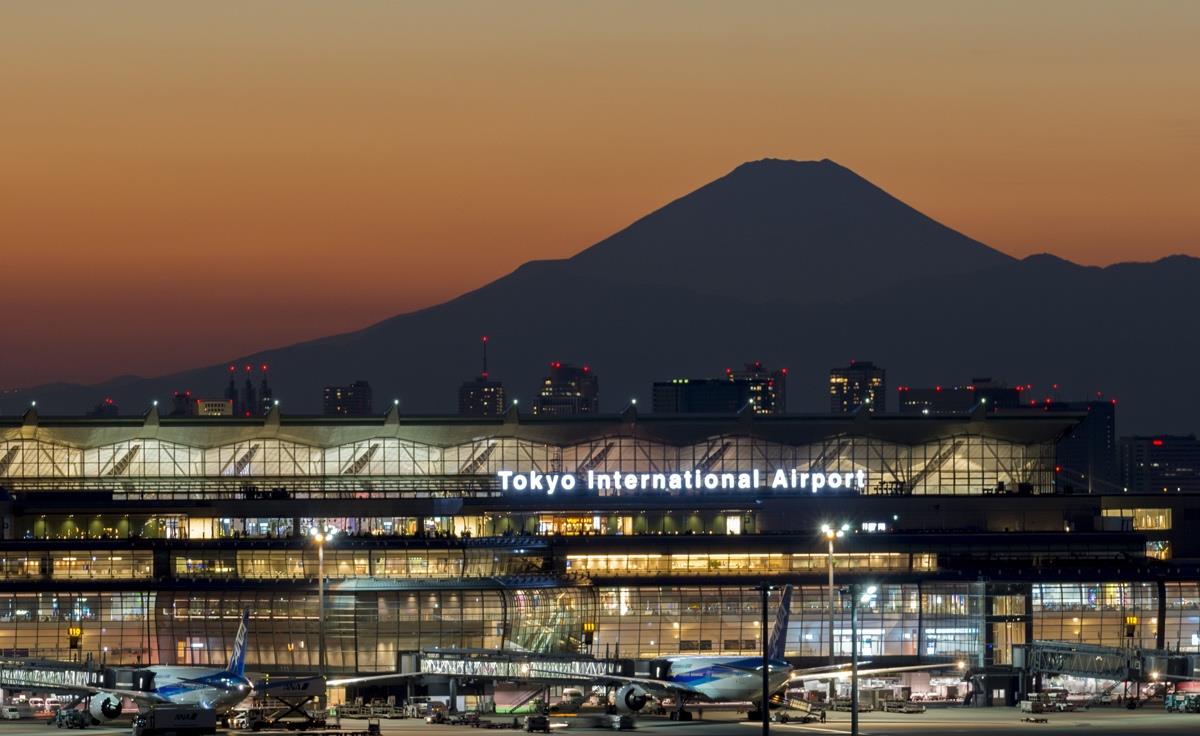
Depart Tokyo (Tokyo International Airport (HND) or Narita International Airport (NRT))
Arrive in U.S. the same day (e.g. Depart Tokyo Saturday evening, arrive U.S. the same day Saturday morning).
Alternatively, consider spending Saturday visiting your sister city or exploring Tokyo, one of the most fascinating, efficient & modern cities in the world.
Extend your stay and experience Tokyo’s futuristic innovation and timeless tradition. Navigate one of the world’s most efficient metro and train systems to explore ultra-modern districts and international delicacies from Michelin-starred restaurants. Depart Tokyo on the evening of Sunday, October 12, and arrive in the U.S. the same morning or early afternoon, giving you the following day—Columbus Day—to relax and recover.
For those who wish to spend up to 8 nights and 9 days in Japan while only being away from the office for 5 days, maximize your trip by departing Tokyo on the early evening of Mon. Oct. 13 and arrive back in the U.S. on the same day in the morning or early afternoon of Mon. Oct. 13, Columbus Day.
Embark on a guided journey through the World Expo:
Experience groundbreaking innovations and captivating exhibitions from around the globe.

The official goals of EXPO 2025 are:



Shigeru Ban is a Japanese architect who graduated from Cooper Union in 1984. As a child, he demonstrated a strong interest in architectural poetics, which influenced all of his later works. He has designed a number of iconic buildings, including the Cardboard Cathedral in Christchurch, New Zealand, and the Aspen Art Museum in the U.S. He is well known for his work in paper and cardboard architecture and also assists many humanitarian relief efforts across the globe.
In 2022, the Voluntary Architects’ Network (VAN) and Shigeru Ban Architects provided the Paper Partition System (PPS) for shelters for the increasing number of refugees staying in neighboring countries of Ukraine. This system has been used in numerous evacuation centers in Japanese regions hit by disasters, such as the Great East Japan Earthquake (2011), the Kumamoto Earthquake (2016), the Hokkaido Earthquake (2018), and the torrential rains in southern Kyushu (2020).
In 2014, he received the Pritzker Architecture Prize for his work. The Blue Ocean Dome Pavilion at Expo 2025 Osaka was designed by Shigeru Ban, with one of the three domes constructed entirely from laminated bamboo, another being the world’s first architectural dome made entirely from carbon fiber reinforced plastic, and the third from recyclable paper tubes.

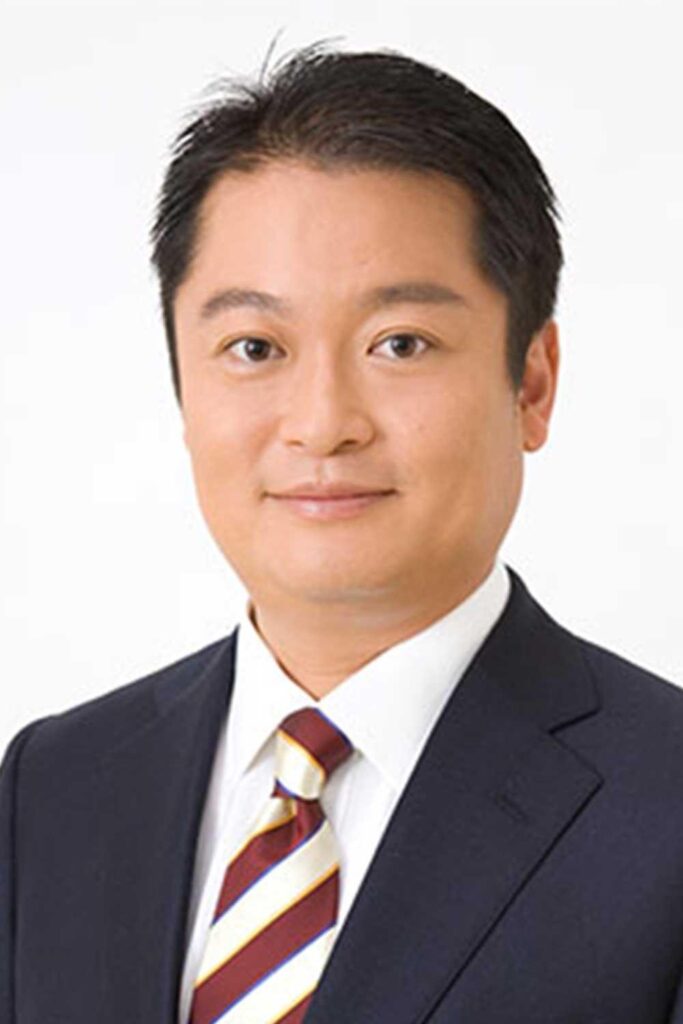
Award-winning architect Paul Noritaka Tange graduated from the Harvard University Graduate School of Design in 1985. As the son of Kenzo Tange—one of the most world-renowned architects of the 20th century—Paul was exposed to architecture and design from a very young age. He developed his father’s passion for architecture and joined Kenzo Tange Associates, his father’s firm, where he later became president in 1997.
He has since founded his own architectural firm, Tange Associates, and risen to international prominence, designing buildings across Asia and the United States, including the Tokyo Aquatics Center for the Tokyo 2020 Olympics.
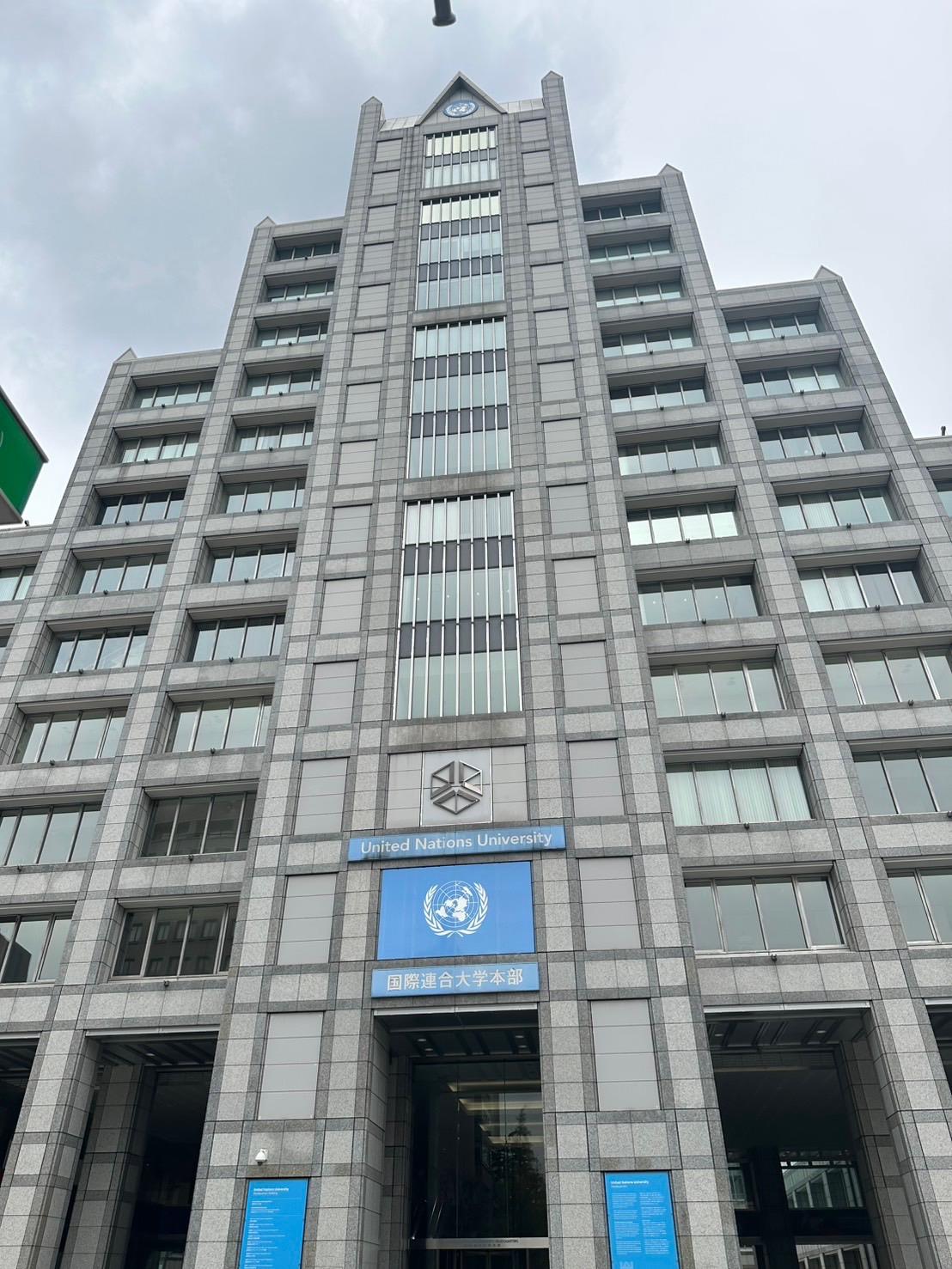
His father, Kenzo Tange, designed many of Tokyo’s most iconic buildings, including Tocho (the Tokyo Metropolitan Government Building) and the United Nations University building.
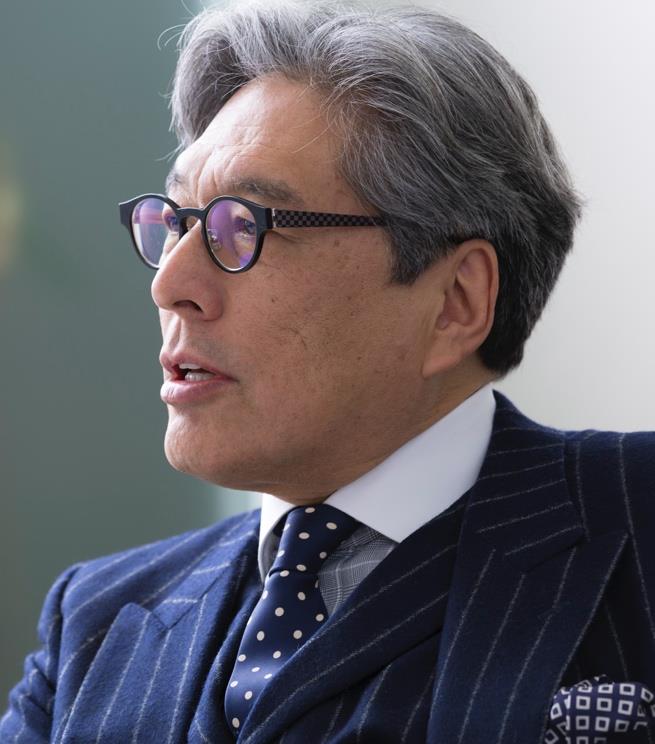
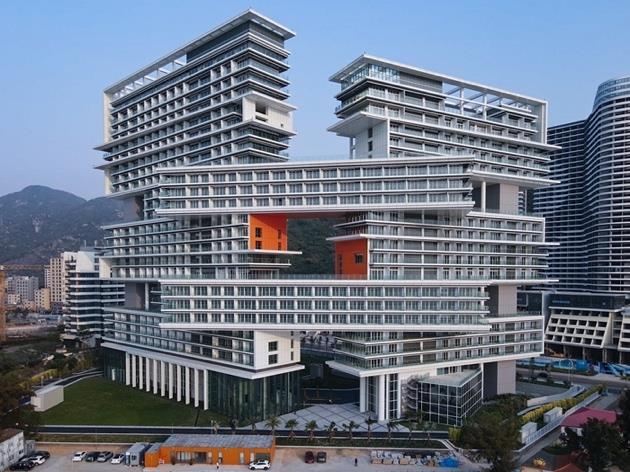
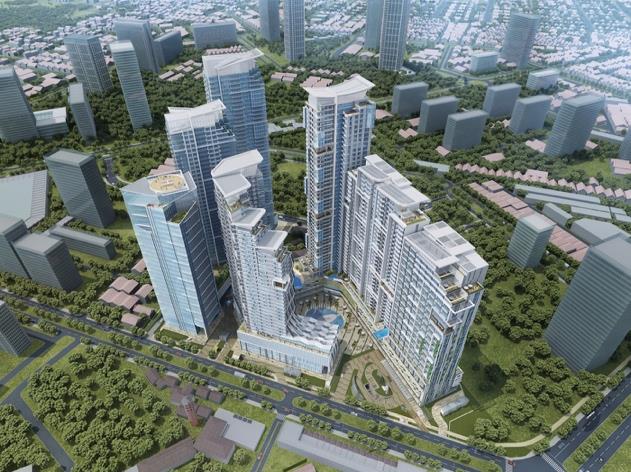
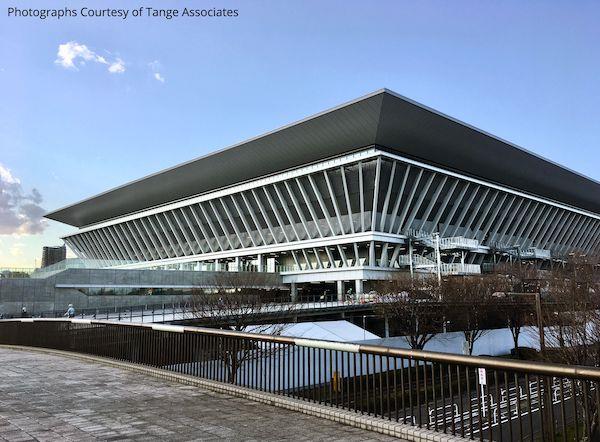
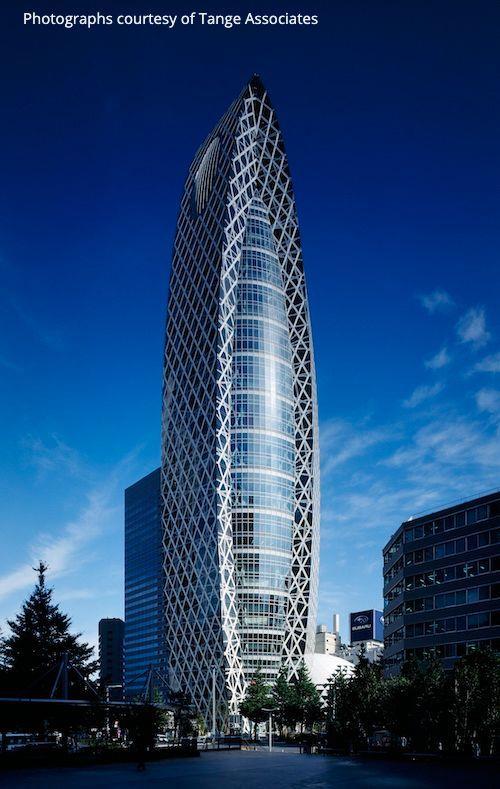
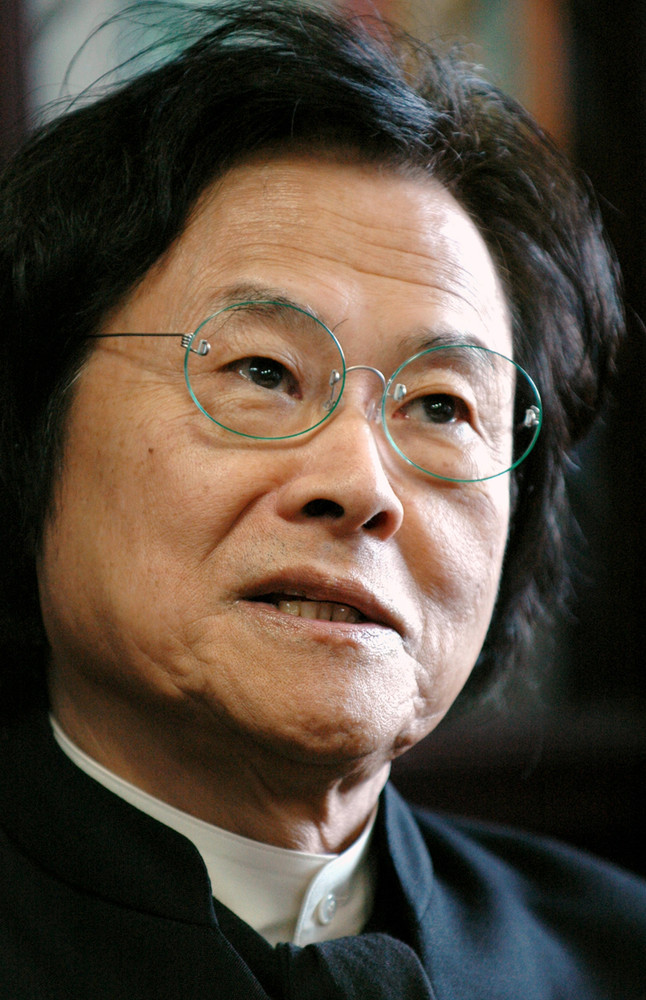
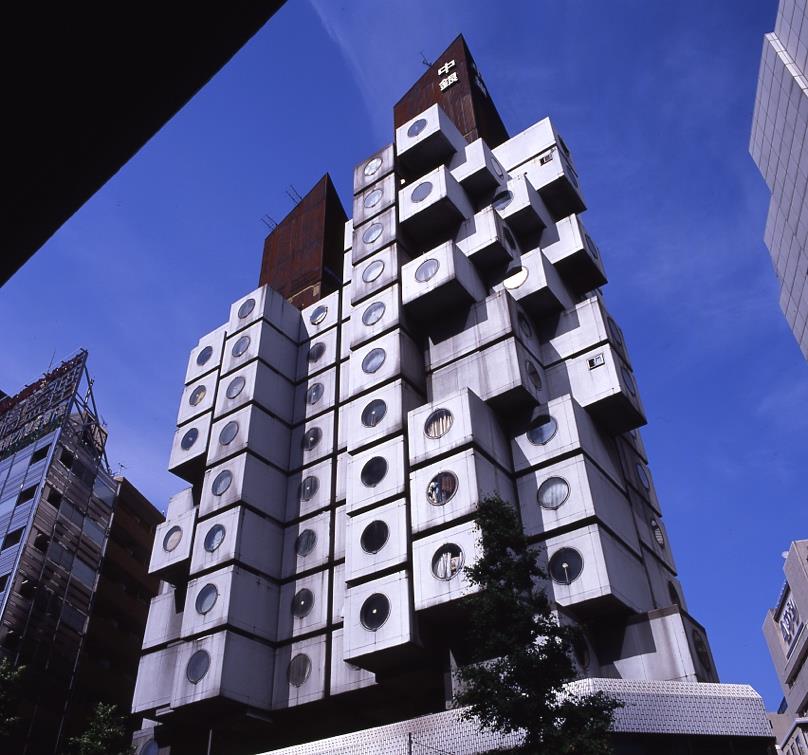
Dr. Kisho Kurokawa (1934–2007) was a globally acclaimed architect, humanitarian, and environmentalist. The Japanese architect, who was a student of Kenzo Tange, led the “Metabolism Movement” and made his world debut in 1960. At age 26, he advocated a shift from the “machine principle” to the “life principle” in his literary work and architectural designs, focusing on themes such as ecology, recycling, and intermediate space. His theory of “Symbiosis” became globally renowned through his book, Each One A Hero: The Philosophy of Symbiosis.
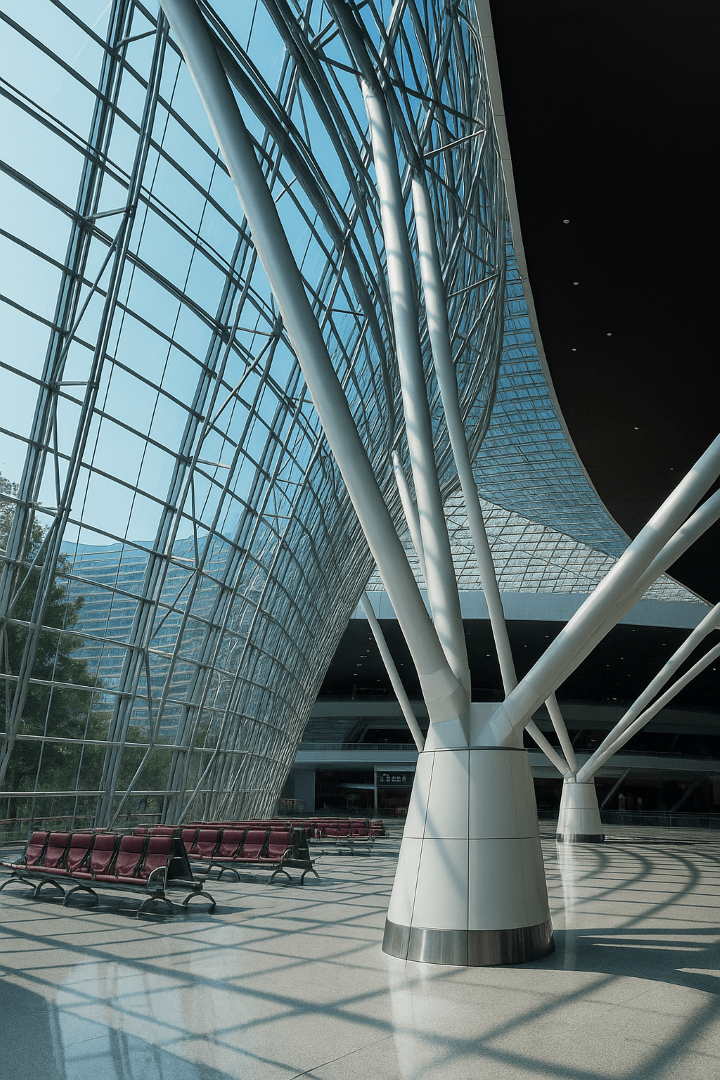
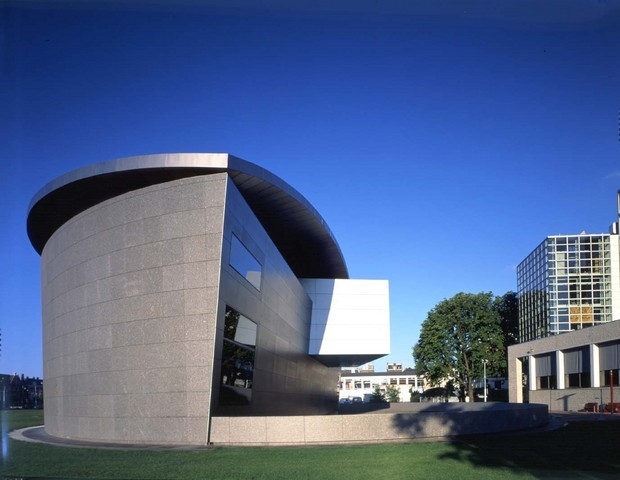
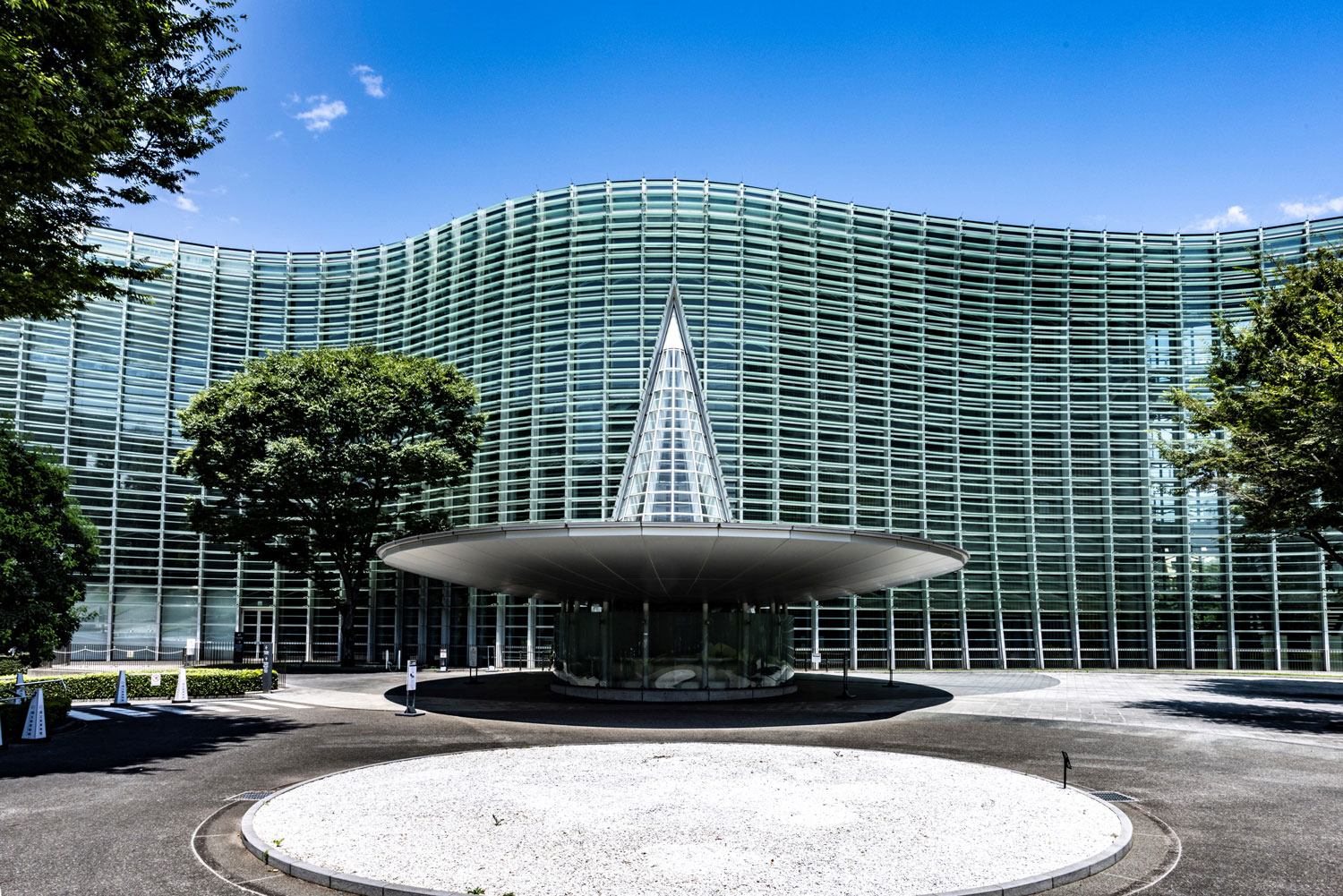
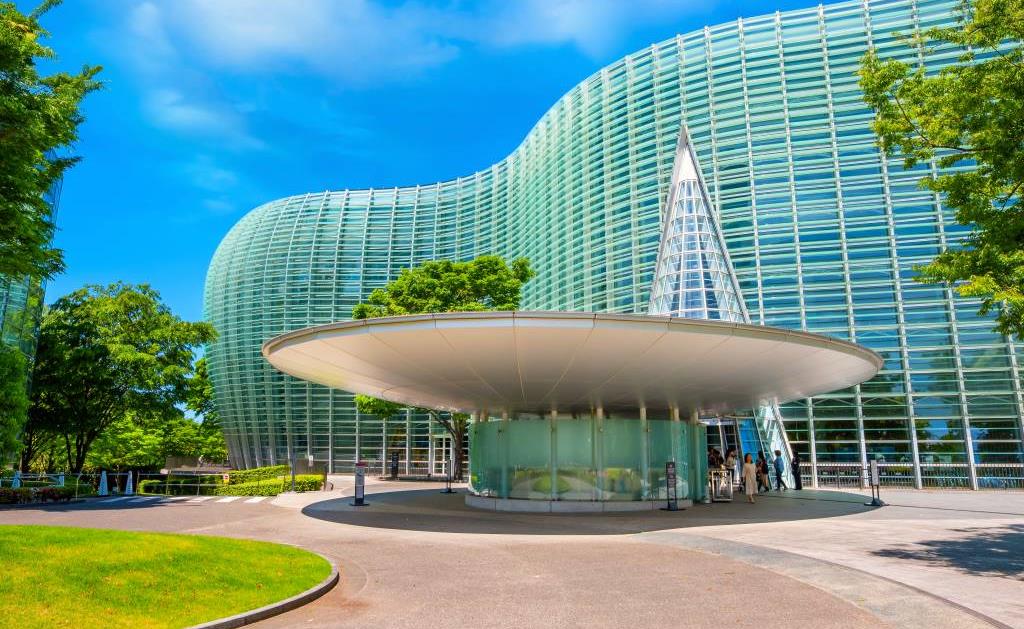
He designed three pavilions at Osaka’s futuristic World Expo 1970: the Capsule House Theme Pavilion, the Takara Beautilion Pavilion, and the Toshiba-IHI Pavilion. His major works can be found throughout the world, including the Kuala Lumpur International Airport in Malaysia, the National Art Center in Tokyo’s posh Roppongi district, the new wing of the Van Gogh Museum in Amsterdam, Toyota Stadium built for the 2002 World Cup, the Astana Master Plan for the New Capital of Kazakhstan, and the Eco-Media City Project Plan for Zhengzhou City, China.
In addition to his work in architecture, Dr. Kurokawa sat on numerous governmental advisory boards in Japan, China, and Kazakhstan.
The Japan–United States Leadership Summit will bring together mayors, city council members, county supervisors, city planners and designers to explore smart city innovation, architectural design, and sustainability strategies. Through visiting the international pavilions at the Expo 2025 Osaka, and presentations and exchanges with Japanese leaders at the Fuji-U.S. Leaders Summit in Yamanashi Prefecture and at the Japan-United States Leadership Summit at United Nations University in Tokyo, participants will learn proven approaches to pressing urban challenges: community safety, housing, transportation, and climate resilience. The impact will be both immediate and exponential: participating mayors will return with actionable strategies for their own communities while also contributing to a long-term platform for systemic change. The Summit model is designed to be replicable, with annual exchanges rotating between Japan and the United States.
This initiative strengthens leadership across diverse California municipalities—large and small, urban and suburban, coastal and inland. We are committed to ensuring that communities historically underrepresented in international diplomacy have a seat at the table. By expanding mayoral participation, we enable a broader cross-section of California’s population to benefit from the knowledge and partnerships gained.
This year marks the launch of a recurring program. Future Summits will rotate locations and leverage partnerships with governments, nonprofits, and private institutions in both countries. We are building new sister city relationships through these exchanges, and those programs will carry on the efforts.
This Summit introduces a new practice in subnational diplomacy: integrating smart city solutions, cross-cultural exchange, and civic leadership training into one cohesive program. It is an innovative platform that bridges government, business, and academia to foster solutions that are replicable across California and the U.S.
The Summit is built on collaboration: Sister Cities International’s SoCal Chapter, JUSSCA, California Sister Cities, U.S. municipalities, U.S. Consulate in Osaka, Japanese prefectures, and United Nations University. These partnerships ensure broad impact and meaningful, ongoing engagement.
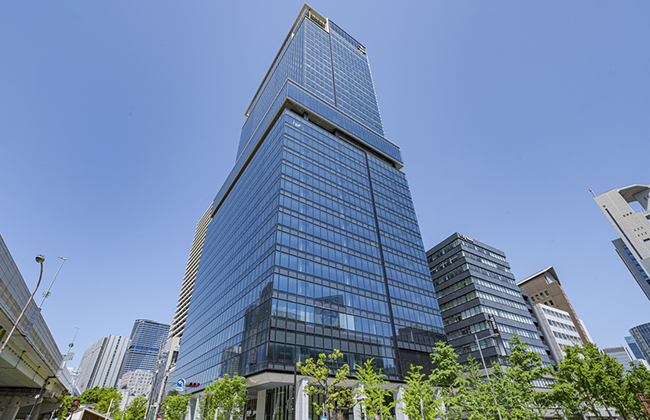
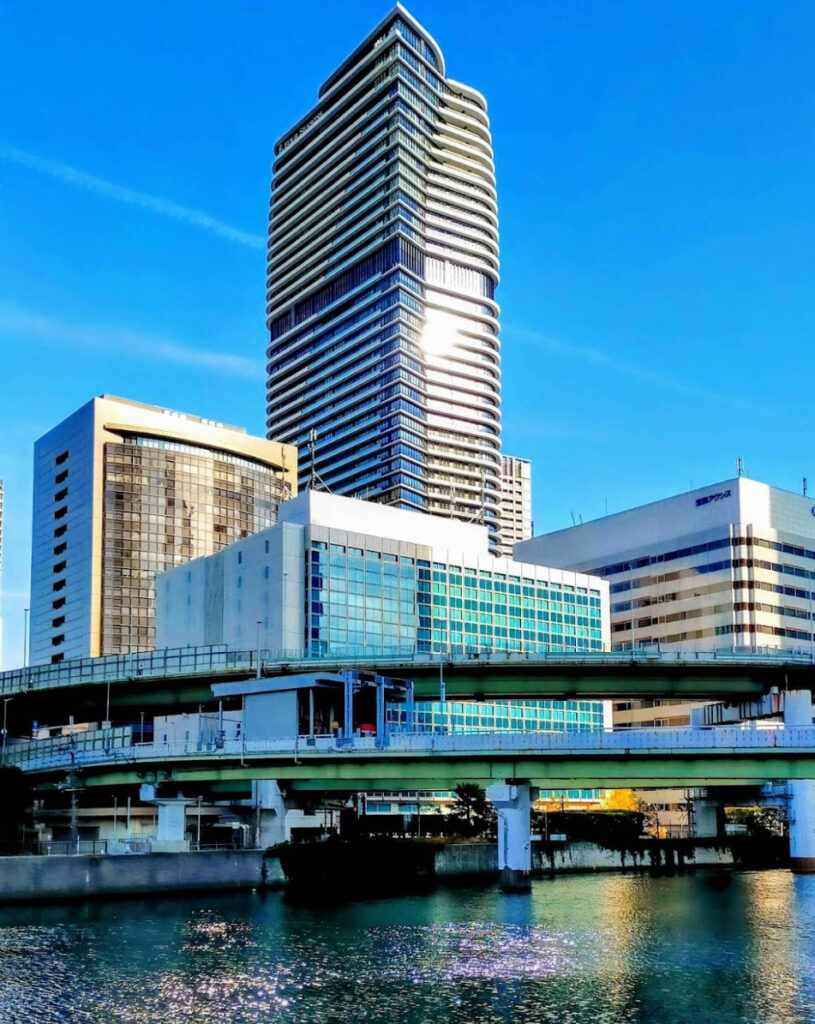
This Guinness World Record-holding hotel (highest open-air infinity-edge public bath) offers panoramic city views, modern rooms & luxury amenities.
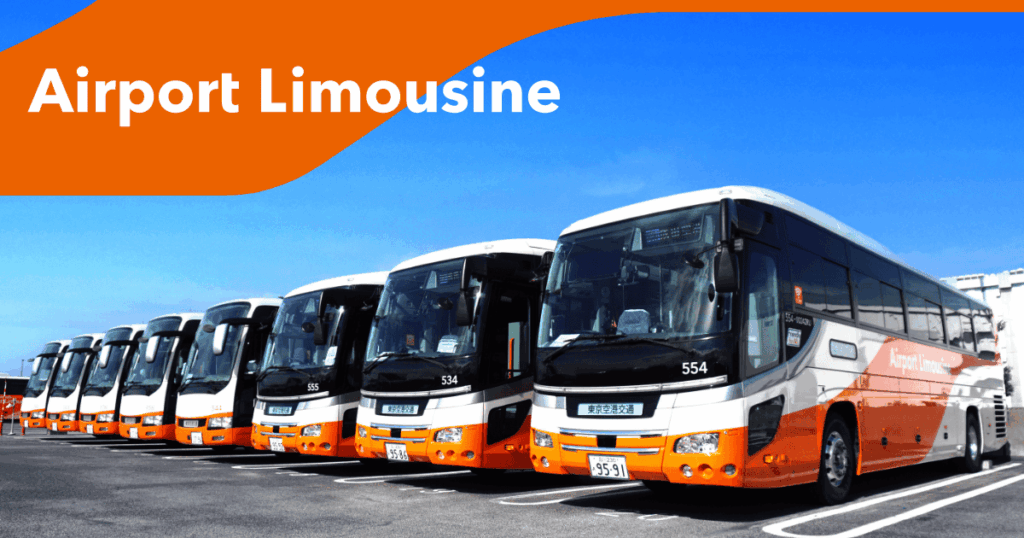
Osaka Airport to Hotel: Purchase Airport Limousine Bus tickets at the Airport Limousine bus counter.
Check in Sun. Oct. 5
Check out Tues. Oct. 7
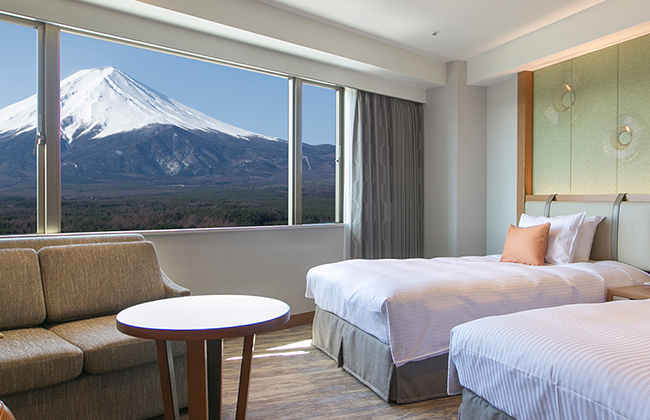
The Japan-U.S. Leaders Summit will be held here. Rooms with a magnificent view of Mt. Fuji or the Fuji-Q Highland amusement park available.
Check out of hotel and depart hotel as a group by bus to Tokyo.
Check in Tues. Oct. 7
Check out Thurs. Oct. 9
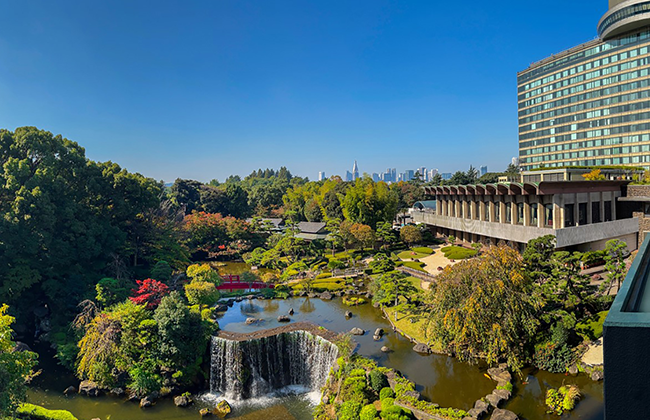
Enjoy the expansive 400-year-old Japanese garden, elegant rooms, and central location in the heart of Tokyo.
Offers convenient subway to United Nations University.
Check in Thurs. Oct. 9
Check out Sat. Oct. 11
The Yamanashi Prefectural Government is providing a subsidy to cover the 2-night stay at the Highland Resort Hotel & Spa in Yamanashi on Oct. 7 and 8, 2025. This will help to reduce the total hotel expenses to $1,450 for the 6 nights, inclusive of breakfast, service fee, and tax, making the hotel average for 6 nights $242 per person per night.
Single Occupancy Package: $1,575 per person ($125 bullet train + $1,450 hotel) ($1450 ÷ 6 nights = Hotel Average $242 per person per night)
Double Occupancy Package: $1,059 per person ($125 bullet train + $934 hotel) ($934 ÷ 6 nights = Hotel Average $156 per person per night)
*Includes breakfast, service fee & tax
Includes:
10/5 & 10/6 Candeo Hotels Osaka The Tower: Deluxe King (Single Occupancy) or Deluxe Twin (Double Occupancy)
10/7 Hikari Shinkansen (High-Speed Bullet Train) from Shin-Osaka Station to Shizuoka Station (Green Car Reserved Seat)
10/7 & 10/8 Highland Resort Hotel & Spa (Provided by Yamanashi Prefectural Government)
10/9 & 10/10 Hotel New Otani Tokyo Garden Tower Standard King (Single Occupancy) or Standard Double (Double Occupancy)
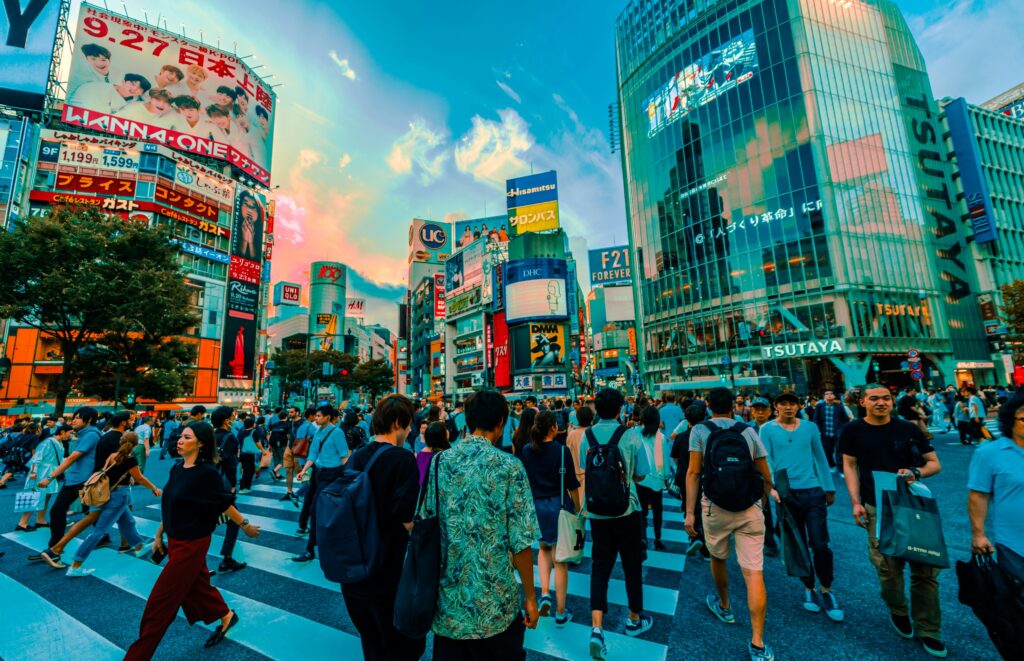
A multi-city subnational diplomacy conference, beginning with the World Expo 2025 in Osaka, going to Yamanashi Prefecture, and ending in Tokyo at the United Nations University.
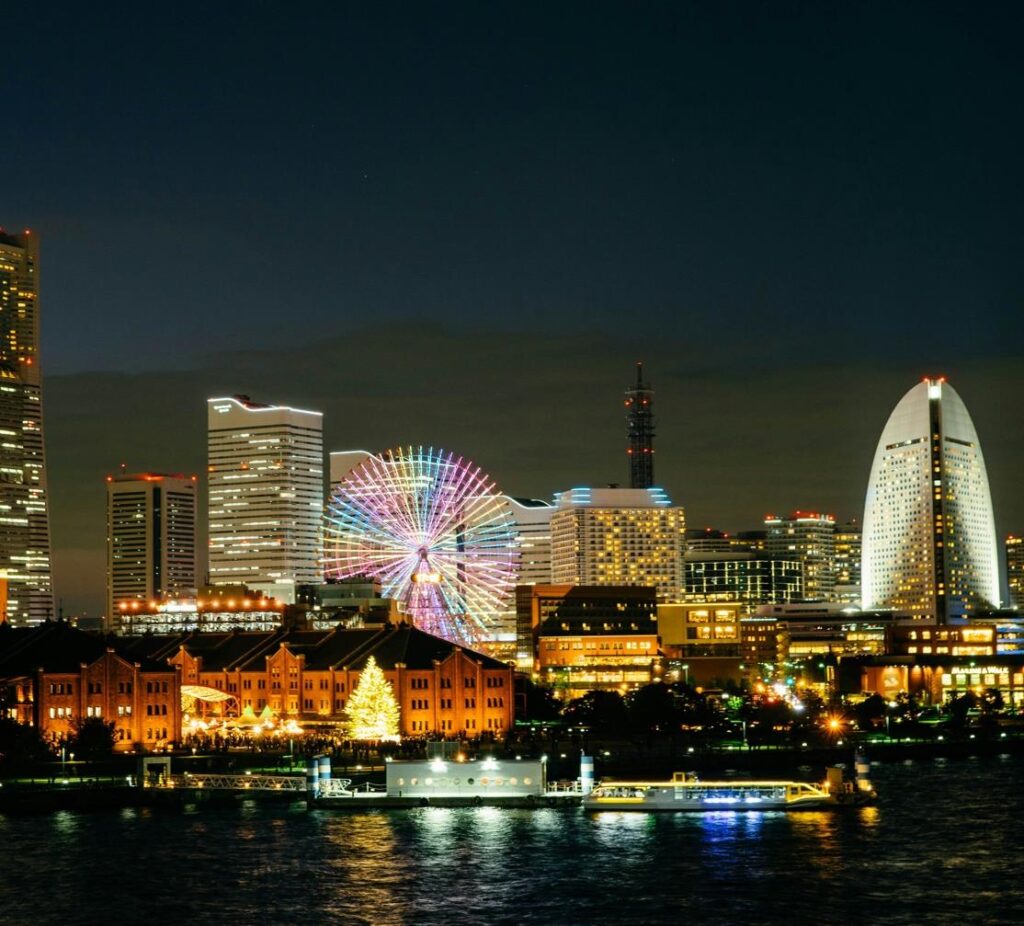


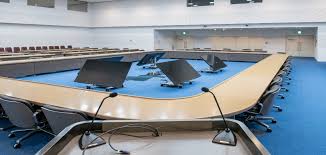
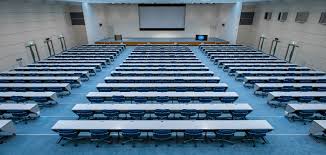
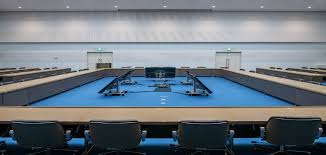
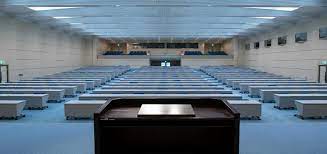
Thurs. Oct 9 Presentations
Fri. Oct 10 Presentations
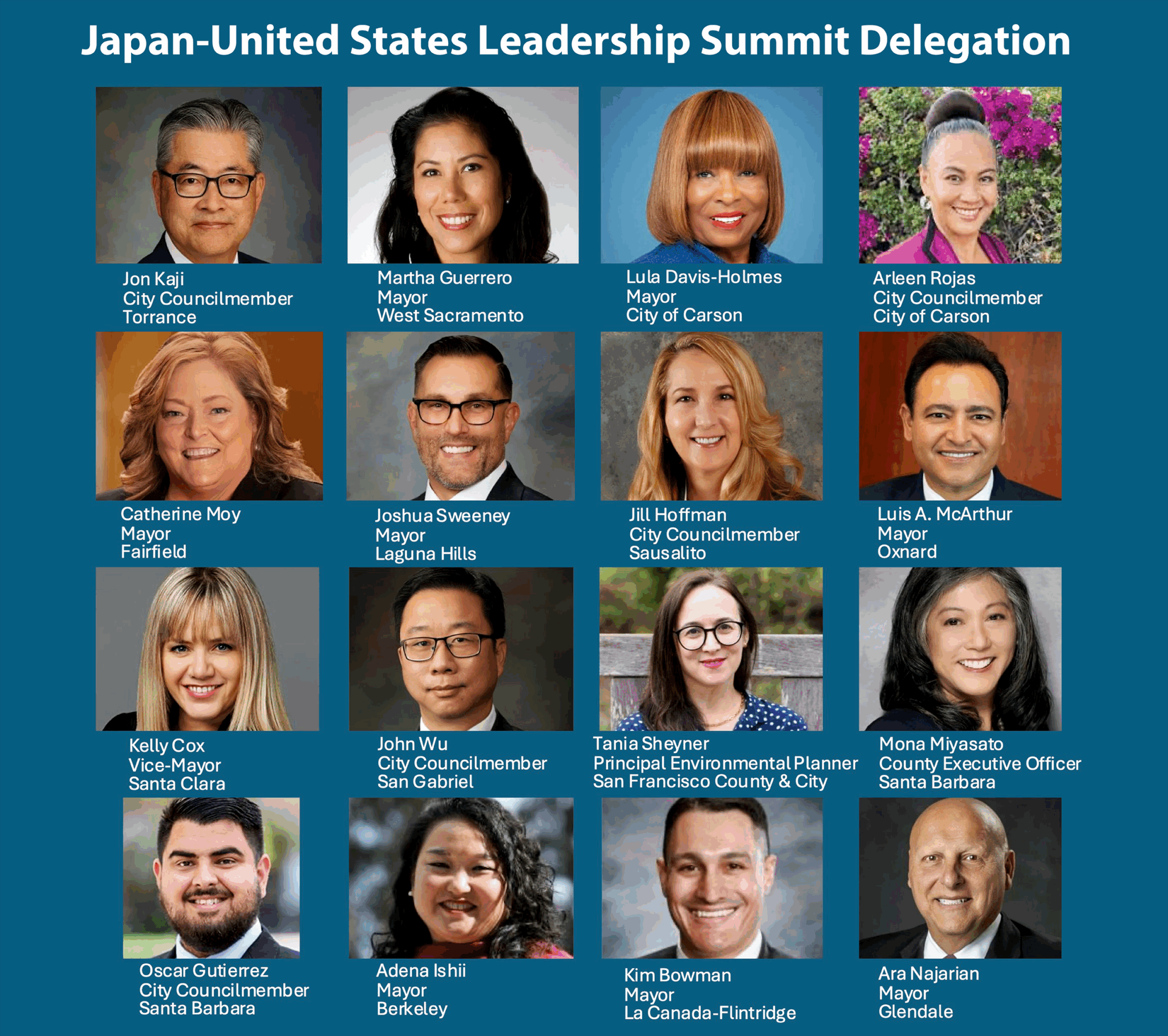
Past Members:
A: Expo 2025 Osaka, often referred to as the World’s Fair, happens every five years.
It is being held in 2025 in Osaka, Japan from April 13 to October 13. This global exposition brings together over 160 countries and organizations to showcase innovations that promote sustainability, health, technology, and global connection.
Featuring interactive exhibits and national pavilions, the Expo explores how humanity can build a better, more inclusive future. As a key initiative aligned with the United Nations’ Sustainable Development Goals and Japan’s Society 5.0 vision, Expo 2025
Osaka serves as a platform for international collaboration and problem-solving.
A: The theme is “Designing Future Society for Our Lives”
A: By using the weekends for travel, whether you stay 6 nights or extend your trip to stay 8 nights, you will likely miss only 5 days of work, as Monday, October 13, is Columbus Day.
A: The months of June through September tend to be very hot and humid in Japan and Japan usually begins to cool down at the end of September. The Expo 2025 Osaka will conclude on October 13th. Thus, early October should make for a great season for travel to Japan.
A: You are welcome to extend your stay before or after the official summit dates. Please coordinate your own accommodations and travel for any extended days with our travel agent. Also, please note that Mon., Oct. 13, is Columbus Day.
A: Our tour will be on a relatively tight schedule with not a lot of shopping time. Thus, if you would like to shop or explore the cities in greater detail, it is highly recommended to arrive a day early in Osaka, which will allow you to visit nearby cities, including Kyoto, Nara, Kobe, and even Hiroshima. Alternatively, you could spend an extra day at the Expo exploring on your own. If you wish to extend your stay in Tokyo, one of the most fascinating cities in the world, you will benefit by gaining a day on your return, so for example, you could stay until the late afternoon/early evening of Sun. Oct. 12 and arrive back in the U.S. on the same day. Given Mon. Oct. 13 is Columbus Day, it is possible to leave on Monday afternoon/evening and arrive back in the U.S. on Monday morning or afternoon. This would give you time to explore, shop, dine, and see famous sites.
A: Yes, we will have a lot of people on our tour who are bilingual, including bilingual tour guides. Also, many people in Japan’s service industry can speak English these days.
A: First of all, there are many types of Japanese food–not only sushi. Secondly, big cities like Tokyo and Osaka have a wide selection of food. Tokyo is well known for having fine Italian and French restaurants with chefs trained in Italy and France. There is food from all over the world, including several American restaurants. You should have no problem finding food that suits your taste.
A: That depends on airline restrictions. Please check with your airline for their baggage restrictions/requirements. However, it is advised to pack light and limit yourself to one large suitcase with strong casters and perhaps one small travel bag that can be stacked on top of it. Traveling by bullet train with more than one large bag on casters can be very challenging. You may bring up to two pieces of baggage on the bullet train free of charge. For each bag, the total of the length, width and height must not exceed 250 cm/98.4”, the length must not exceed two meters/78.7” and the weight must be no more than 30 kilograms/66.1 lbs. For luggage pieces between 160 cm – 250 cm / 63”- 98.4”, a prior free reservation is required.
A: You do not need to purchase your bullet train ticket in advance. Our travel agent, IACE Travel, will help to make reservations for your bullet train tickets and luggage. A one-way ticket on the Hikari Shinkansen from Osaka to Shizuoka will cost approximately US$90.
A: No, just a current U.S. passport is required.
A: Before you board your flight from the U.S. to Japan, the check-in counter will look to see that your passport is good for at least 6 months beyond the day of travel, and if it expires before then, they may prevent your travel. Therefore, it is important to renew all passports that expire before April 2026.
A: Yes, when you apply for your passport, you can pay an expedited fee to have it issued quickly.
A: Most transportation is included in the tour. However, participants will be required to pay for:
* People may share taxis, with up to 4 passengers per taxi, but 3 is recommended.
A: The summit includes several receptions and panel discussions, where distinguished leaders and innovators from the U.S. and Japan — spanning government, business, and design — can network, exchange ideas, and build sister city relationships.
A: Business attire is recommended for conference days and receptions. Comfortable walking shoes are encouraged for the Expo 2025 Osaka on Mon. Oct. 6. We will make a brief stop at the hotel after the Expo, in order to change for the evening reception at the U.S. Consul General’s residence.
A: October is a wonderful time to travel to Japan. The first two weeks of October are typically pleasant with mild to warm weather in Osaka and mild, pleasant autumn weather in both Yamanashi and Tokyo. There is always the chance of rain showers in October, but umbrellas can be easily purchased in nearly any convenience store for less than $5. Also, Japan has been experiencing recent heat waves, and this year, October is expected to be warmer than previous years.